
Why Older Seneca Homes Are Prone to Sewer Line Root Intrusion
Why Older Seneca Homes Are Prone to Sewer Line Root Intrusion
For homeowners in Seneca, the charm of a historic property often comes with a backdrop of towering water oaks, sweeping magnolias, and the lush, green landscapes of the Upstate. Whether you are living in a restored cottage near the Ram Cat Alley historic district or a mid-century home in a quiet Oconee County neighborhood, these mature trees are part of what makes our community beautiful. However, beneath the surface of these scenic properties, a silent struggle is often taking place between your landscaping and your plumbing.
If you own an older home in Seneca, you are likely more vulnerable to sewer line root intrusion than those in newer developments. This isn't just a matter of bad luck; it is a combination of aging infrastructure, specific pipe materials used in decades past, and the aggressive nature of South Carolina’s native flora. Understanding the mechanics of root intrusion can help you identify a problem before it leads to a catastrophic and expensive backup.
The Anatomy of an Older Seneca Sewer System
Most homes built in Seneca between the 1940s and the 1970s utilized sewer lateral lines made of materials that are now considered obsolete. Unlike modern PVC, which is fused together with solvent cement to create a watertight seal, older systems often relied on:
- Clay Pipes: These were popular due to their resistance to chemical corrosion, but they are incredibly brittle. Over time, the heavy red clay soil of Seneca can shift, causing these pipes to crack or the joints to pull apart.
- Cast Iron Pipes: While durable, cast iron eventually corrodes from the inside out. As the metal thins, "pinhole" leaks develop, releasing moisture and nutrients into the surrounding soil, which is a literal siren song for tree roots.
- Orangeburg Pipes: Frequently found in WWII-era housing, these were essentially wood pulp fibers sealed with coal tar. They are notorious for becoming soft and "egging" under the pressure of the earth, making them the easiest target for root penetration.
The "Siren Song" of Your Sewer Line
Tree roots are biologically programmed to seek out three things: water, oxygen, and nutrients. During the peak of a South Carolina summer or a dry spell in the foothills, the moisture levels in the soil can drop significantly. Your sewer line, however, remains a consistent source of warm, nutrient-rich water.
Even the smallest hairline crack in a clay pipe or a slightly loose joint in a cast iron line will release vapor into the soil. This vapor trail acts as a guide for tree roots. Once a microscopic root hair finds its way into the pipe, it has entered a perfect environment. Inside the pipe, it can grow rapidly, expanding in diameter and eventually creating a thick, woody mass that acts like a net, catching toilet paper and household waste.
Seneca’s Red Clay and Soil Shifting
One factor unique to Seneca is our dense, iron-rich red clay. This soil is prone to significant shrink-swell cycles. When it rains heavily, the clay absorbs water and expands; during dry periods, it contracts and hardens. This constant movement puts immense physical stress on aging, rigid pipes.
As the pipes shift, the joints, which were often sealed with mortar or simple rubber gaskets in older homes, begin to fail. These gaps are the primary entry points for the aggressive roots of local species like Red Oaks, Silver Maples, and Willows. In older Seneca neighborhoods where these trees have had 50 plus years to establish massive root systems, the pressure they exert on underground utilities is immense.
Real-World Examples in Seneca Properties
We frequently encounter situations in homes near the Blue Ridge foothills where a homeowner reports a mystery clog that returns every few months. In one recent case in a 1960s-era home, the owner had been using chemical foaming agents for years to try and kill roots.
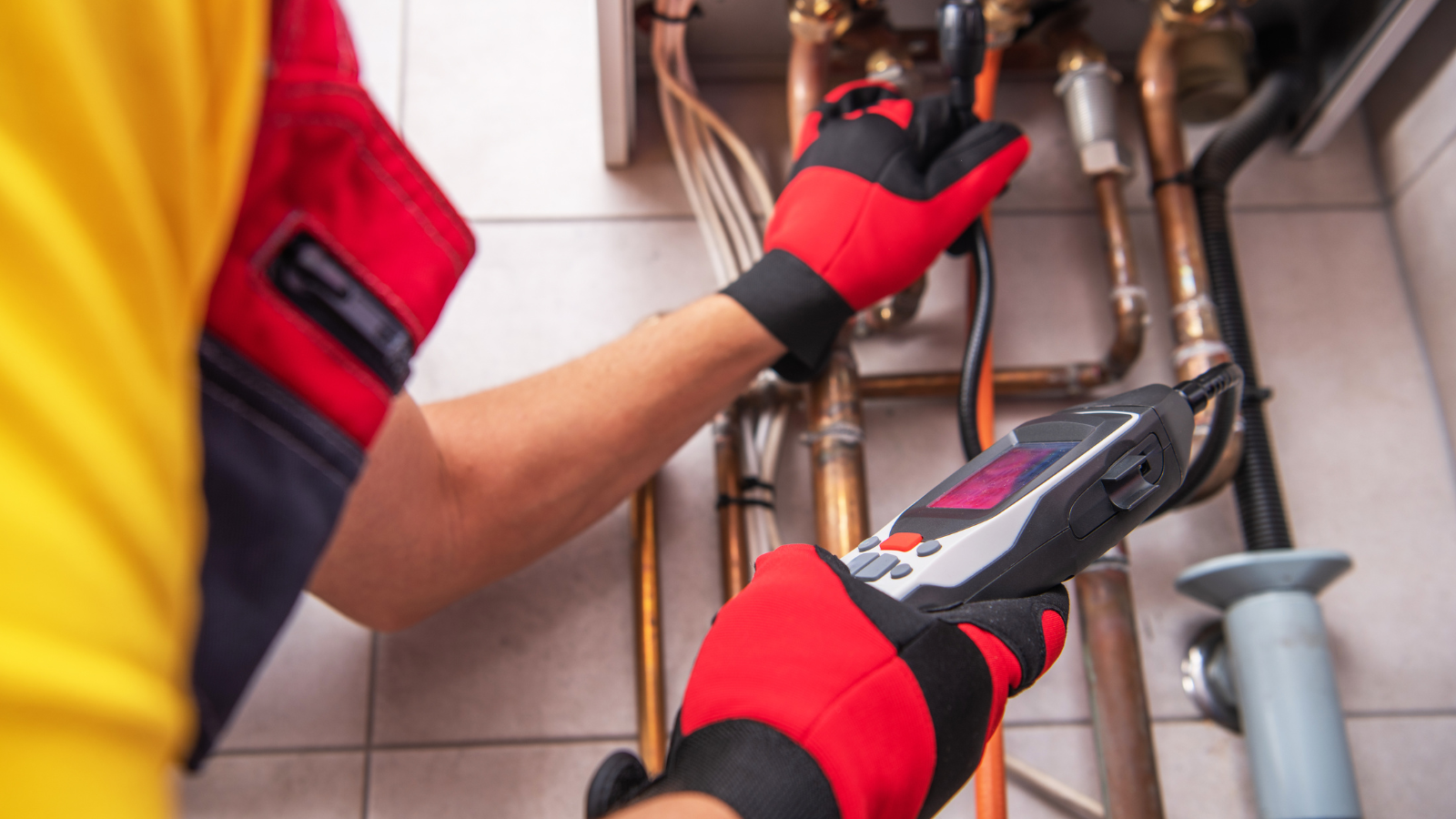
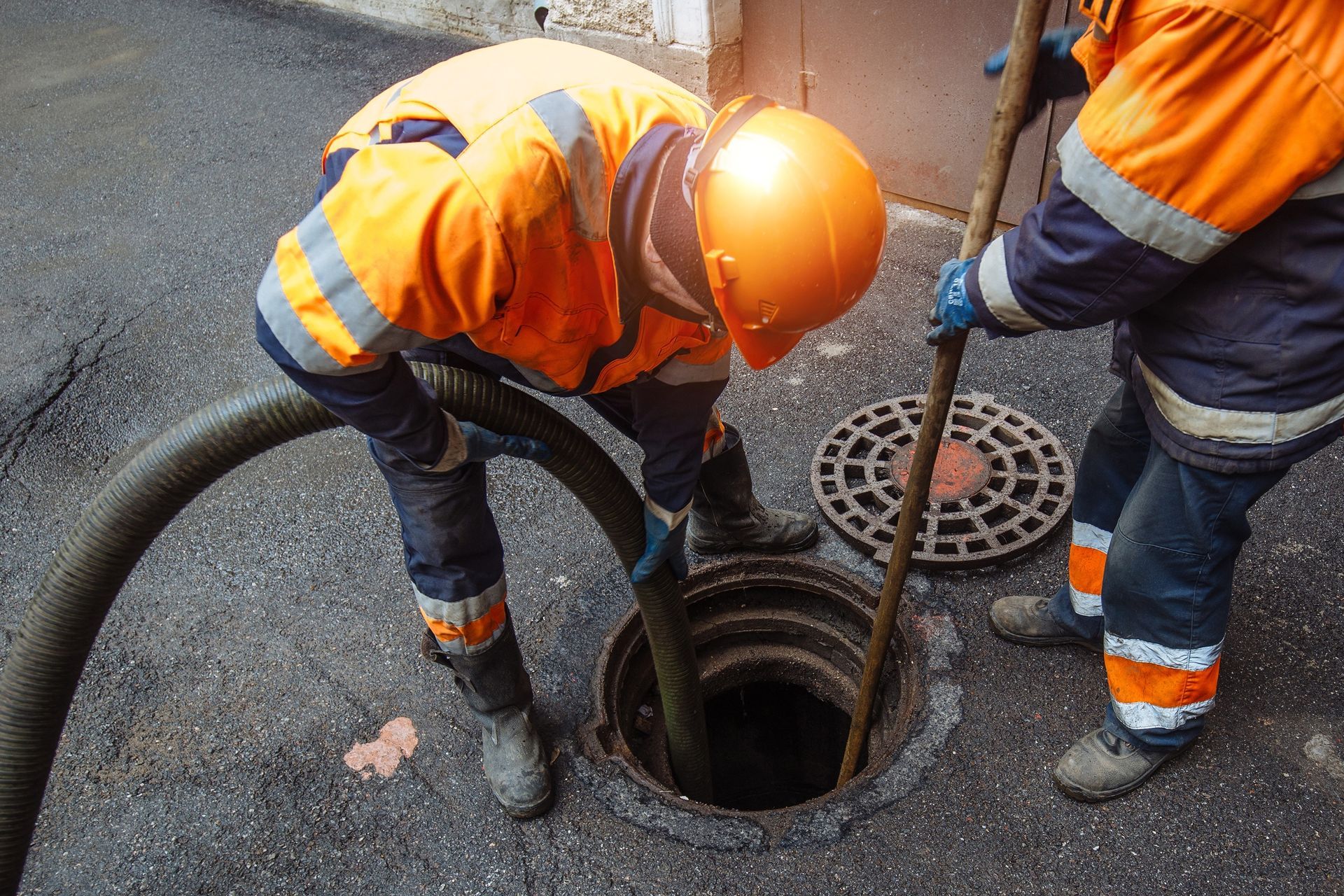
When we performed a Sewer Camera Inspection, we discovered that a large root from a nearby water oak had not only entered the pipe but had actually lifted a section of the clay tile, creating a "bellied" pipe where waste was pooling. This is a common diagnostic finding in Seneca: the roots don't just block the flow; they can physically displace the entire sewer lateral, leading to total structural failure.
Cost Considerations for Root Removal and Repair (2026 Estimates)
Addressing root intrusion early is significantly more cost-effective than waiting for a total collapse.
- Professional Snaking/Augering: For minor root intrusion, a professional drain cleaning can cost between $200 and $450. This clears the immediate blockage but is a temporary fix, as the roots will eventually grow back.
- Hydro-Jetting: This uses high-pressure water to effectively "scour" the inside of the pipe, removing the root mass more thoroughly than a blade. This typically ranges from $400 to $800.
- Trenchless Pipe Lining: If the pipe is still structurally sound but has multiple root entry points, we can often pull a resin-saturated liner through the old pipe. This creates a "pipe-within-a-pipe" with no joints for roots to enter. This typically costs $125 to $200 per linear foot but prevents the need for digging up your landscaping.
When to Call a Professional
If you live in an older home in Seneca, you should be vigilant for the following early warning signs of root intrusion:
- Gurgling Toilets: If your toilet makes a bubbling sound when the shower is running, air is being trapped by a partial root blockage.
- Slow Drains Throughout the House: If every sink in the house is moving slowly, the problem is likely in the main line, not an individual fixture.
- Unexpected "Lush" Spots in the Yard: If one patch of grass is significantly greener or growing faster than the rest, it may be feeding on a leaking sewer line.
- Sewer Odors Outside: Smelling sewage near your foundation or in your yard often indicates a pipe that has been breached by roots.
Protect Your Seneca Home from Root Damage
The best defense against root intrusion is a proactive approach. If your home was built before 1980 and you haven't had your sewer line inspected in the last three years, it is time for a professional assessment. Fortner Plumbing LLC provides expert Drain and Sewers diagnostics specifically for the unique housing stock in Seneca. While residential needs are constant, businesses also benefit from regular maintenance, which is one reason Why Winter Is Best for Commercial Inspections in our region.
By utilizing high-definition camera inspections, we can see exactly where roots are entering your system and provide a long-term solution that protects your home and your historic landscaping. Don't wait for a backup to occur. Contact Fortner Plumbing LLC today to schedule a preventative inspection and ensure your older home’s plumbing remains as resilient as the trees surrounding it.
Quick Answers for Seneca Homeowners (FAQ)
Can I just pour rock salt or chemicals down my toilet to kill roots?
While some chemicals can temporarily kill the roots they touch, they often do not reach the top of the pipe where the most aggressive growth occurs. Furthermore, certain chemicals can damage the structural integrity of older pipes or harm the beneficial bacteria in your septic system if you are not on the Seneca municipal line.
How fast do tree roots grow in sewer lines?
In the nutrient-rich, humid environment of a sewer pipe, roots can grow surprisingly fast, sometimes several inches to a foot per year. Once a root "anchor" is established, it can quickly expand into a thick mass that catches grease and debris.
Will removing the tree solve my sewer problem?
Not necessarily. Even after a tree is cut down, the roots can remain alive and continue to seek moisture for several years. Additionally, if the pipe is already cracked, other nearby trees or even shrubs will eventually find the leak. The best solution is to repair the pipe itself.
Does homeowners insurance cover root intrusion?
Standard policies typically do not cover "wear and tear" or maintenance issues like root intrusion. However, if the root causes a sudden pipe burst that results in water damage, you may have coverage for the cleanup. We recommend checking if you have a "Service Line Coverage" rider on your policy.
What is the most permanent way to stop roots in Seneca?
Replacing old clay or cast iron with modern, seamless PVC or using a trenchless CIPP (Cured-In-Place Pipe) liner is the most effective way to stop roots. These methods eliminate the joints and cracks that allow roots to enter in the first place.