
Why Is My Faucet Leaking? A Homeowner’s Guide to Troubleshooting Fixtures in Clemson, SC
Why Is My Faucet Leaking? A Homeowner’s Guide to Troubleshooting Fixtures in Clemson, SC
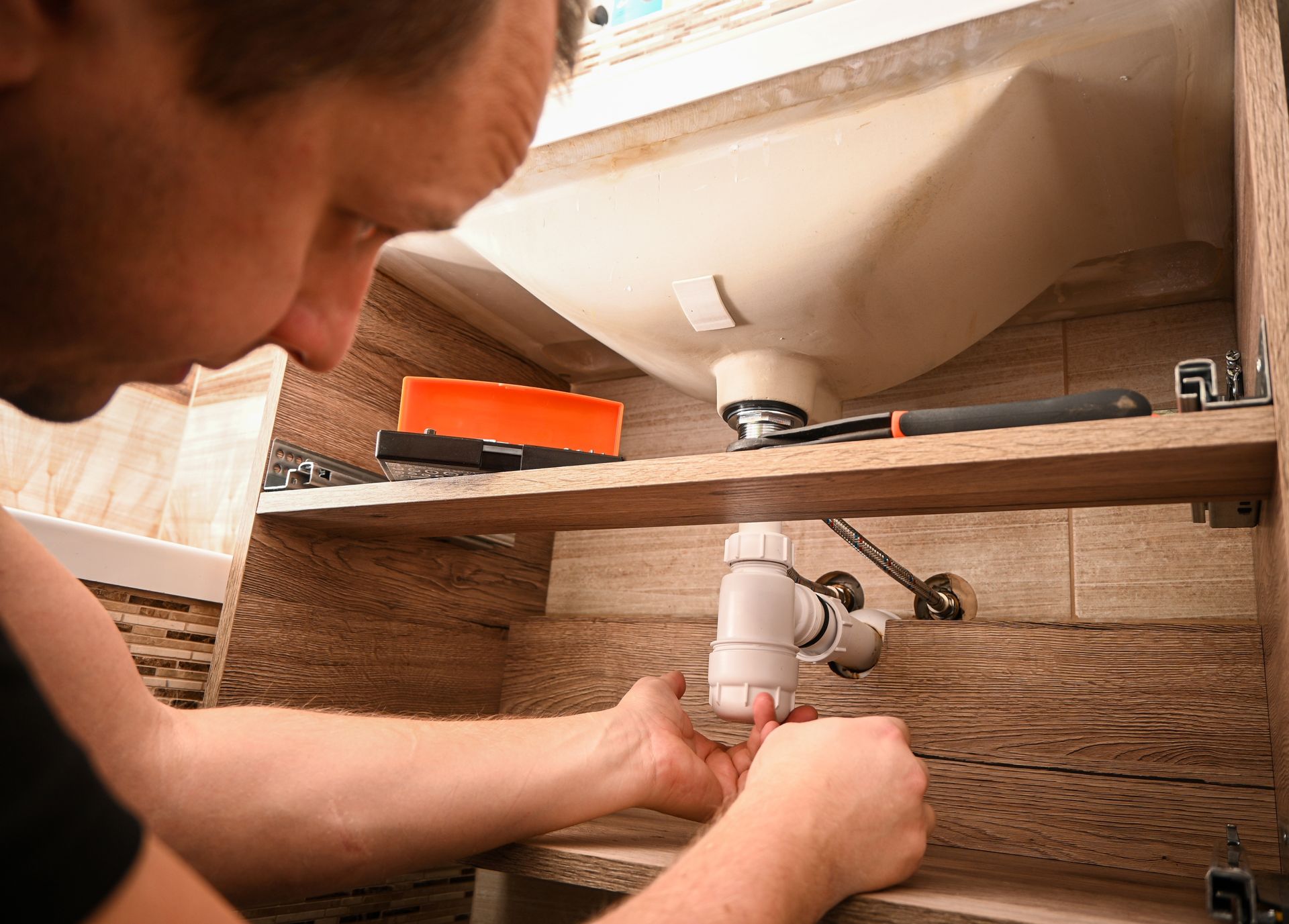
For homeowners in Clemson, SC, a dripping faucet or a leaking showerhead is more than just an annoying sound: it is a drain on your wallet and a waste of our local water resources. Whether you are living in a classic bungalow near the university or a newer family home in the Patrick Square area, plumbing fixtures eventually wear down. Small drips can quickly escalate into hidden water damage or spiked utility bills if left unaddressed. Diagnosing the root cause of the problem is the first step toward a functional home. In this guide, we will break down the most common symptoms of fixture failure, how the Clemson climate affects your plumbing, and when a simple DIY fix is enough versus when you need professional intervention.
Problem Explanation: Why Fixtures Fail
Plumbing fixtures like faucets, showerheads, and outdoor spigots are mechanical devices with moving parts. Over time, the constant friction of turning handles on and off, combined with the chemical composition of the water, causes components to degrade. In many cases, a leak isn't just one hole; it is a failure of internal seals, gaskets, or valves designed to keep water under pressure. Ignoring these minor failures can lead to water creep, where moisture seeps into your cabinetry or flooring, leading to mold growth and structural issues.
Signs and Symptoms of Fixture Trouble
Not every fixture issue starts with a loud splash. Watch for these subtle diagnostic signs:
- The "Slow Drip": A steady rhythm from the spout even when the handle is turned tightly.
- Handle Leaks: Water pooling around the base of the faucet handle when the water is turned on.
- Reduced Water Pressure: If your kitchen faucet has lost its zip, it is often a sign of internal debris or a clogged aerator.
- Squeaking Handles: A grinding or squeaking sound when you adjust the temperature indicates that internal metal parts are rubbing without proper lubrication or that mineral deposits have taken over.
Common Causes of Fixture Issues in Clemson
In the Upstate, several factors contribute to fixture wear and tear:
- Sediment and Mineral Buildup: Depending on your specific water source in Clemson, hard water minerals like calcium and magnesium can accumulate inside your faucets. This creates a crust that prevents seals from closing completely.
- Worn-Out O-Rings: Especially in kitchen faucets that swivel, the O-ring (a small rubber loop) can dry out and crack, leading to leaks at the base of the spout.
- Corroded Valve Seats: The connection between the faucet and the spout is the valve seat. Over time, water pressure can cause this area to corrode, resulting in a leak that a simple washer replacement will not fix.
- Clemson Humidity and Oxidation: Our local humidity can accelerate the corrosion of finishes on older fixtures, leading to pitting that eventually eats through the metal.
Solutions: Fix or Replace?
Once you have identified the symptom, you have two main paths:
- Part Replacement: For high-end or newer fixtures, replacing the cartridge or ceramic disc often solves the problem for a fraction of the cost of a new unit. Aerators can also be unscrewed and cleaned in vinegar to restore pressure.
- Full Replacement: If the fixture is more than 15 years old or has visible corrosion on the body, a full replacement is usually more cost-effective. Modern fixtures are significantly more water-efficient, which helps reduce your monthly Clemson utility bill.
Cost Considerations for Fixture Services (2026 Data)
- Diagnostic Visit: Professional plumbers typically charge a service fee of $75 to $150 to identify the exact cause.
- Minor Repair (Cartridge/Seal): Expect to pay between $150 and $300, including parts and labor.
- New Installation: Labor for a standard faucet installation usually ranges from $200 to $450, depending on the complexity of the sink and whether new supply lines are needed.
When to Call a Professional
While cleaning an aerator is a great DIY task, you should call a pro if:
- The leak is coming from under the sink, not just the spout.
- You cannot shut off the local water valves under the cabinet.
- The fixture is a high-end bridge faucet or a complex shower mixing valve.
- You have replaced the seals and the dripping persists (this indicates a cracked internal housing).
Local Service: Expert Fixture Care in Clemson, SC
Living in a college town means many homes have high-occupancy demands, putting extra stress on bathrooms and kitchens. Whether you are prepping a rental for the next semester or maintaining your forever home near the Botanical Gardens, your fixtures need to be reliable. At Fortner Plumbing LLC, we specialize in Kitchen & Bathroom Fixture Service and diagnosing the specific plumbing challenges found in Clemson homes, from the aging pipes of historic residences to the specific water pressure requirements of modern developments.
Authority & Trust
Fortner Plumbing LLC is a family-owned business with over 30 years of experience serving the Upstate. Led by Master Plumber Butch Fortner, our team is known for "doing it right the first time." We carry a wide variety of replacement parts for major brands like Delta, Moen, and Kohler, ensuring that your fixture service is handled with professional-grade precision and a full labor warranty.
Need a Fixture Expert in Clemson? Stop wasting water and money on a leaking faucet. Our team provides expert Water Leak Detection & Repair for all your kitchen and bathroom fixtures. Book a Service Call with Fortner Plumbing LLC today to schedule your service in Clemson.
Quick Answers for Clemson Homeowners (FAQ)
Why is my faucet still dripping after I replaced the washer?
If a new washer doesn't stop the leak, the valve seat may be corroded or pitted. When the seat is no longer smooth, the washer cannot create a watertight seal. In these cases, you may need a professional to reseat the valve or replace the entire fixture.
How do I get rid of white crusty buildup on my showerhead?
That buildup is likely calcium or lime from the local water. You can often remove it by soaking the showerhead in a bag of white vinegar overnight.
Is it cheaper to repair or replace a kitchen faucet?
If the faucet is a high-quality brand and under 10 years old, repair is usually cheaper. However, if the finish is peeling or the internal metal is corroded, replacement is the better long-term investment.
What causes a "clunking" sound when I turn on my bathroom faucet?
This is often "water hammer" or a loose internal part in the faucet. It could also indicate that the pipes behind your Clemson home's walls are not properly secured.
Why is the water pressure low in only one sink?
This is almost always a localized issue, such as a clogged aerator or a partially closed shut-off valve under the sink. If cleaning the aerator doesn't help, the internal cartridge may be blocked by sediment