
How Small Plumbing Issues Turn Into Big Problems for Businesses
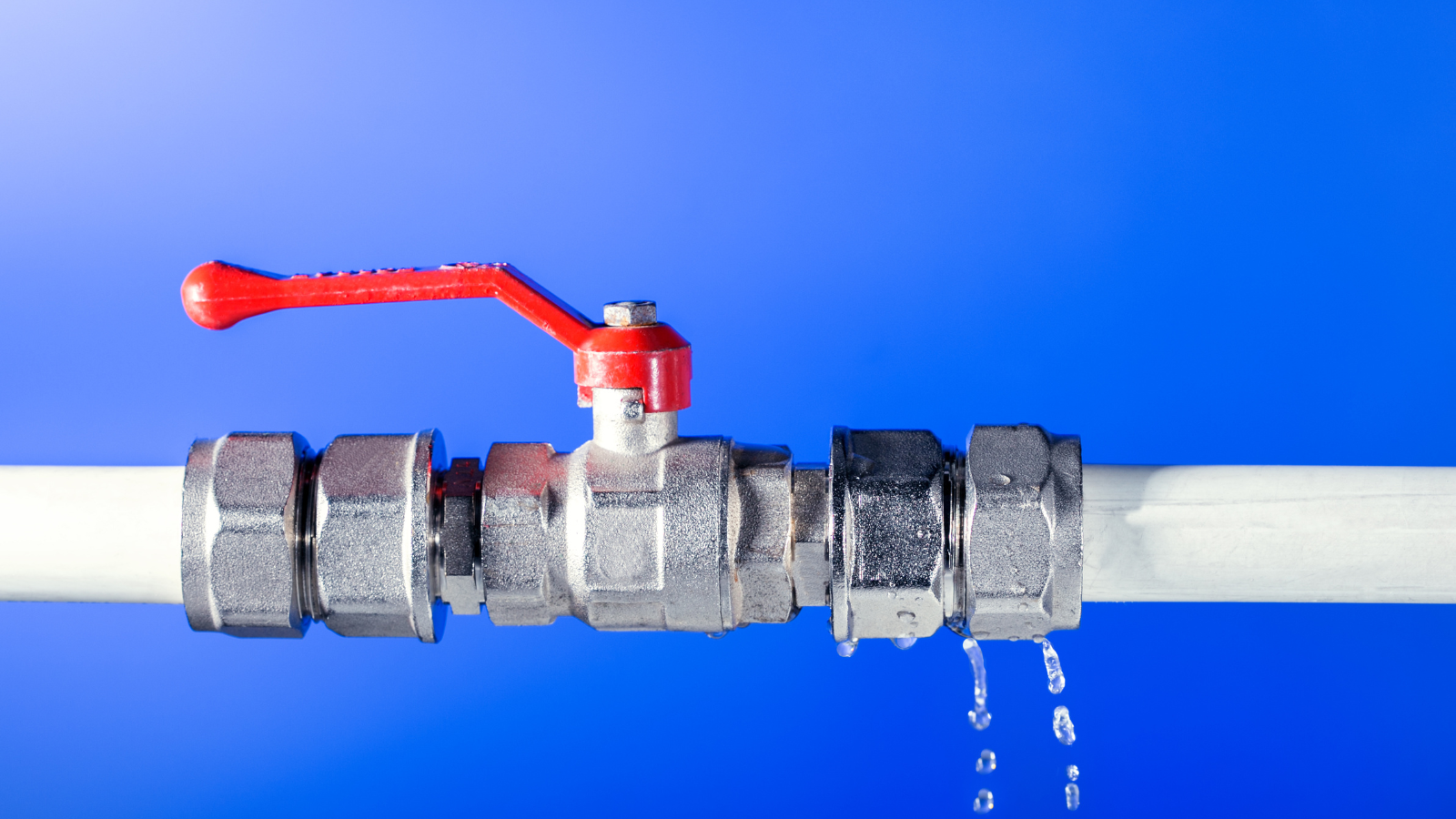
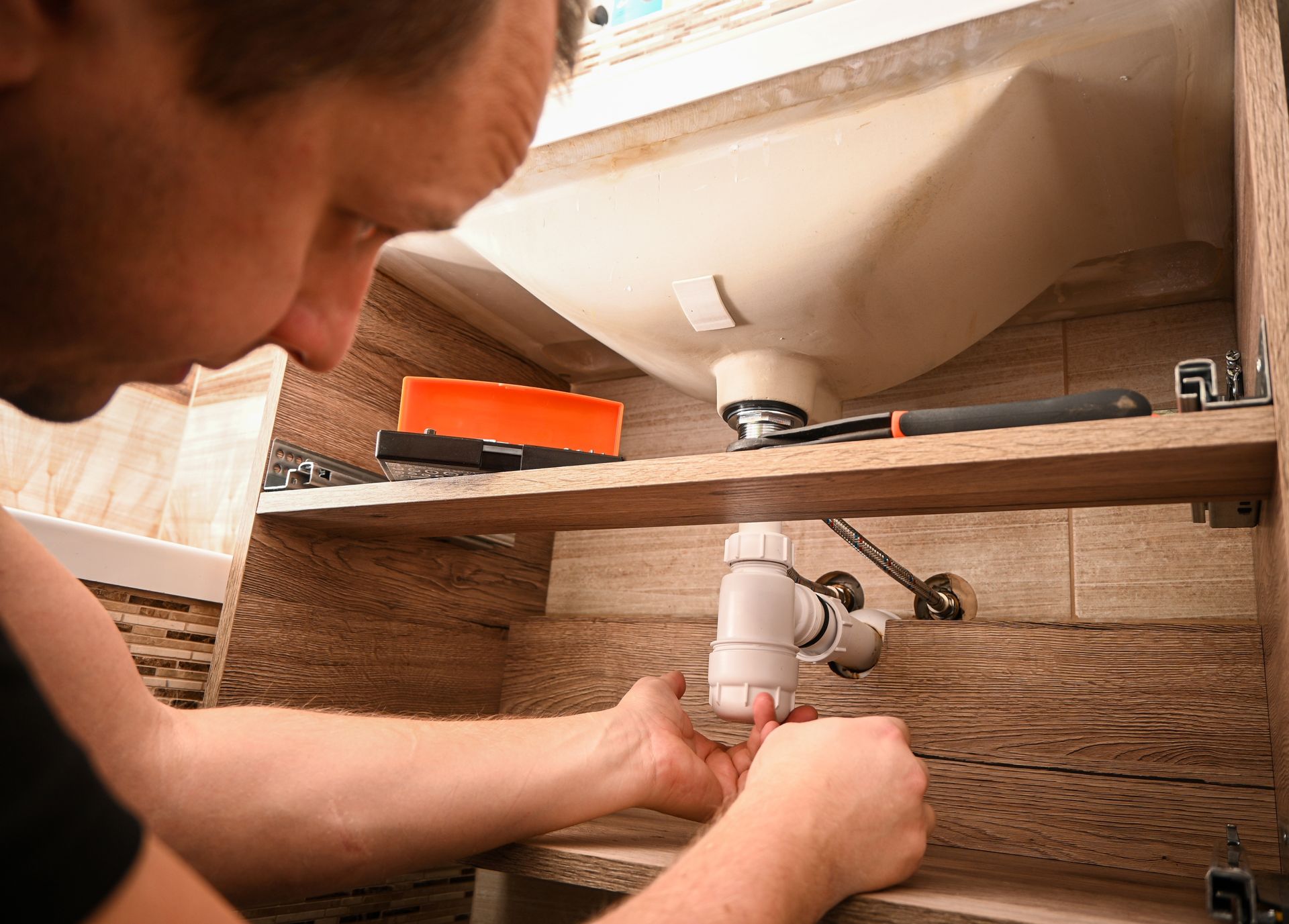
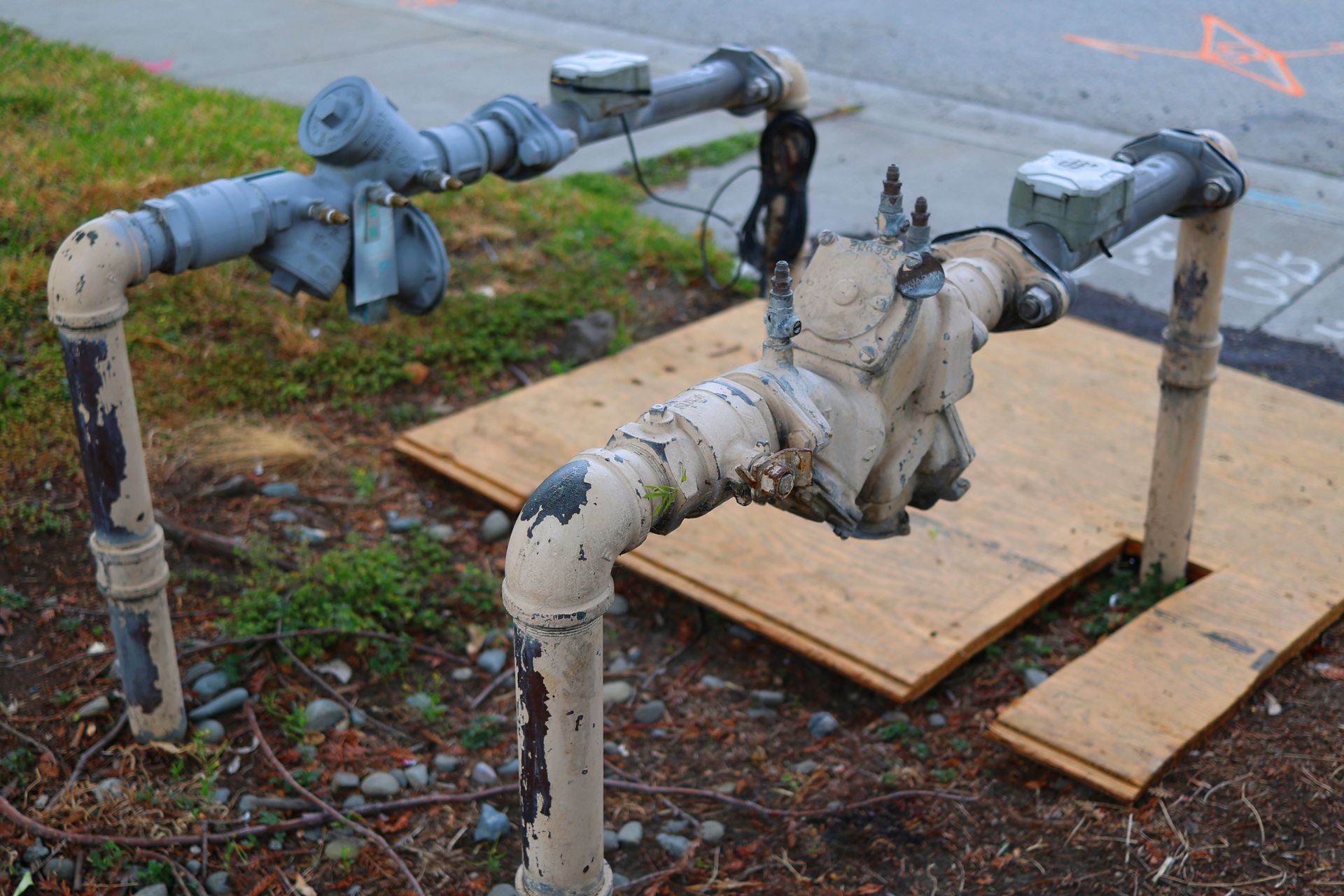
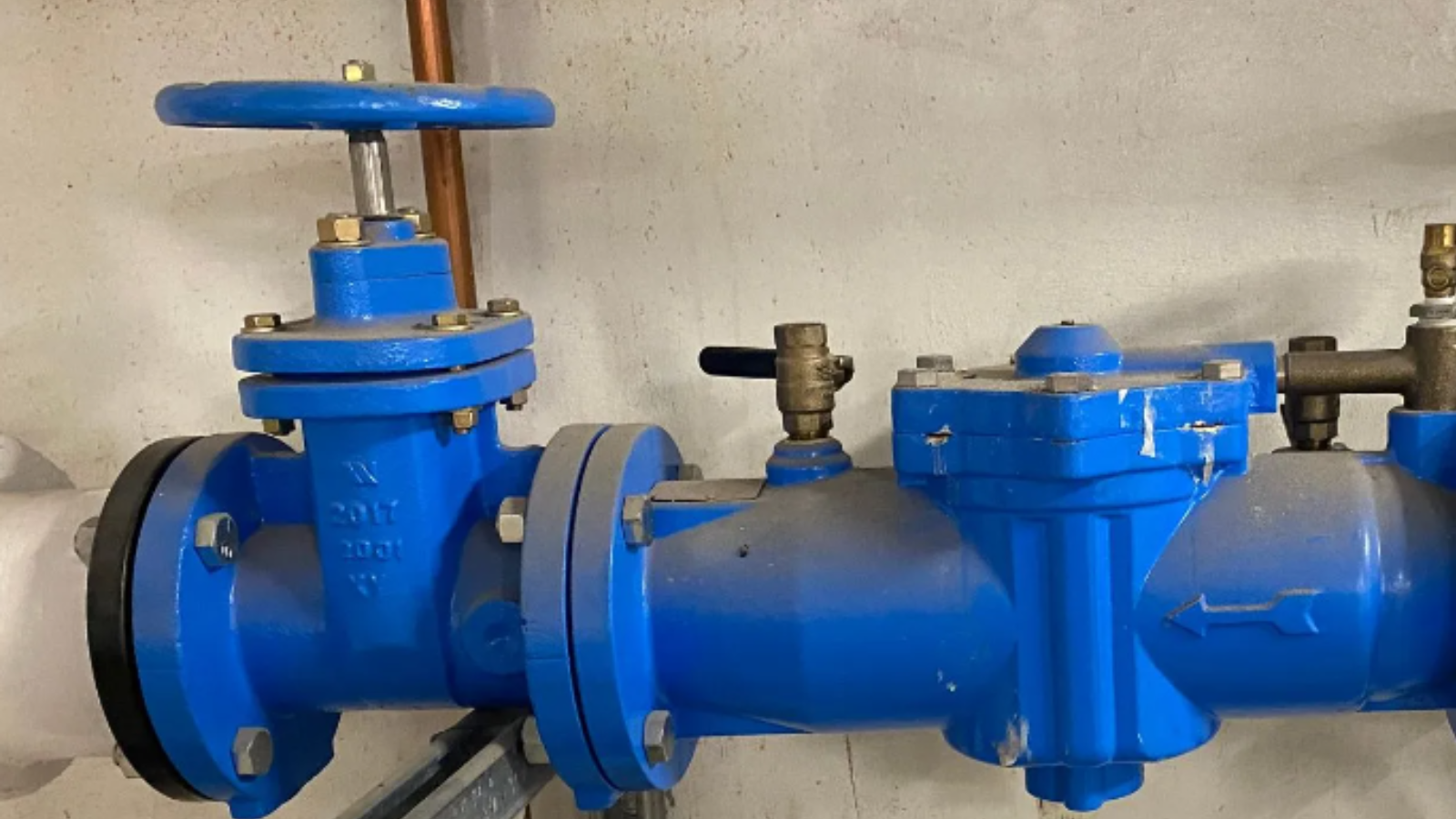
Small plumbing problems are easy to overlook, especially in busy commercial environments. A slow drain, a minor leak, or a running toilet may not seem urgent, but these issues rarely stay small. Over time, they can turn into costly repairs, property damage, and operational disruptions. Understanding how minor plumbing issues escalate can help businesses take action before problems get out of hand.
Slow Drains Can Lead to Major Backups
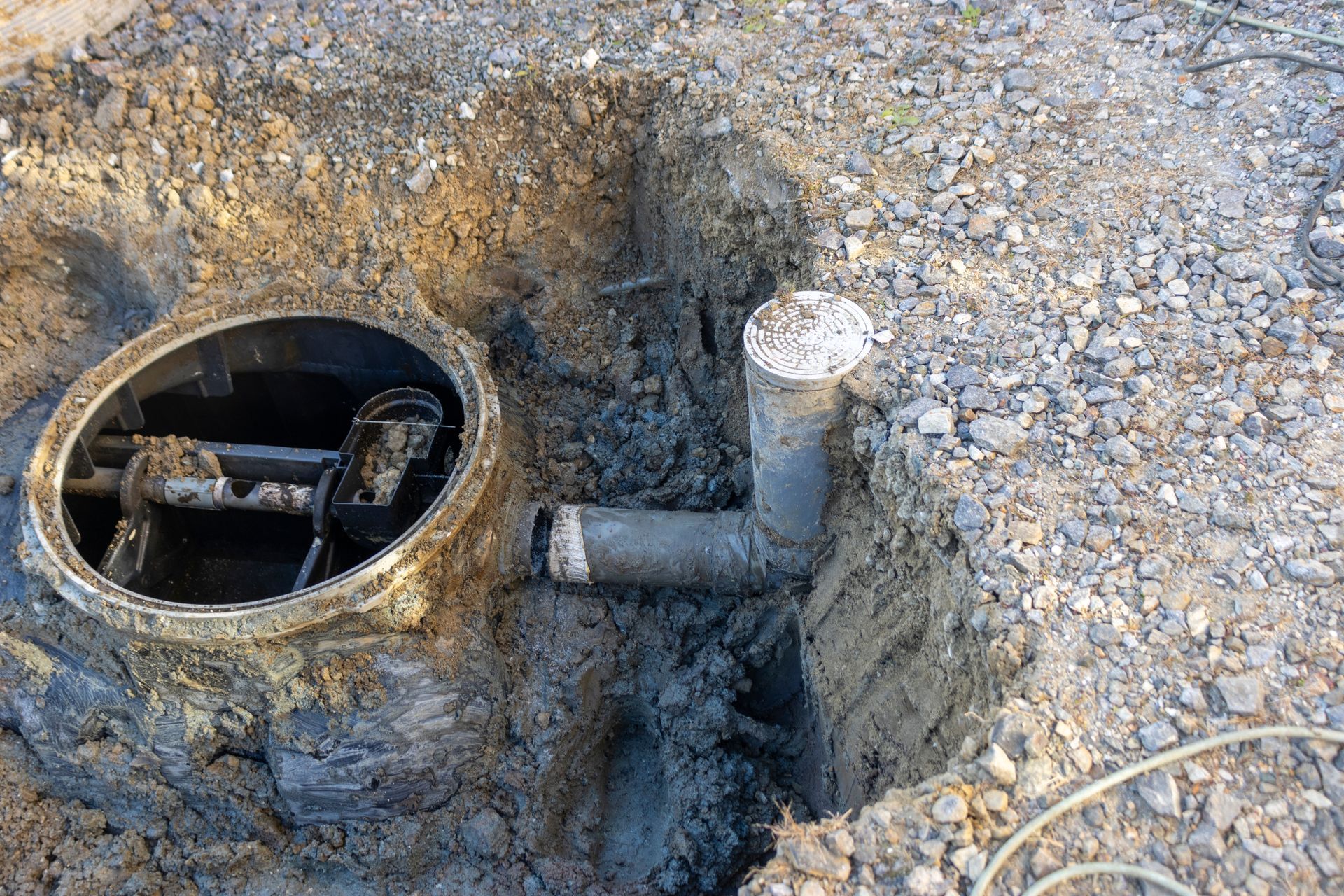
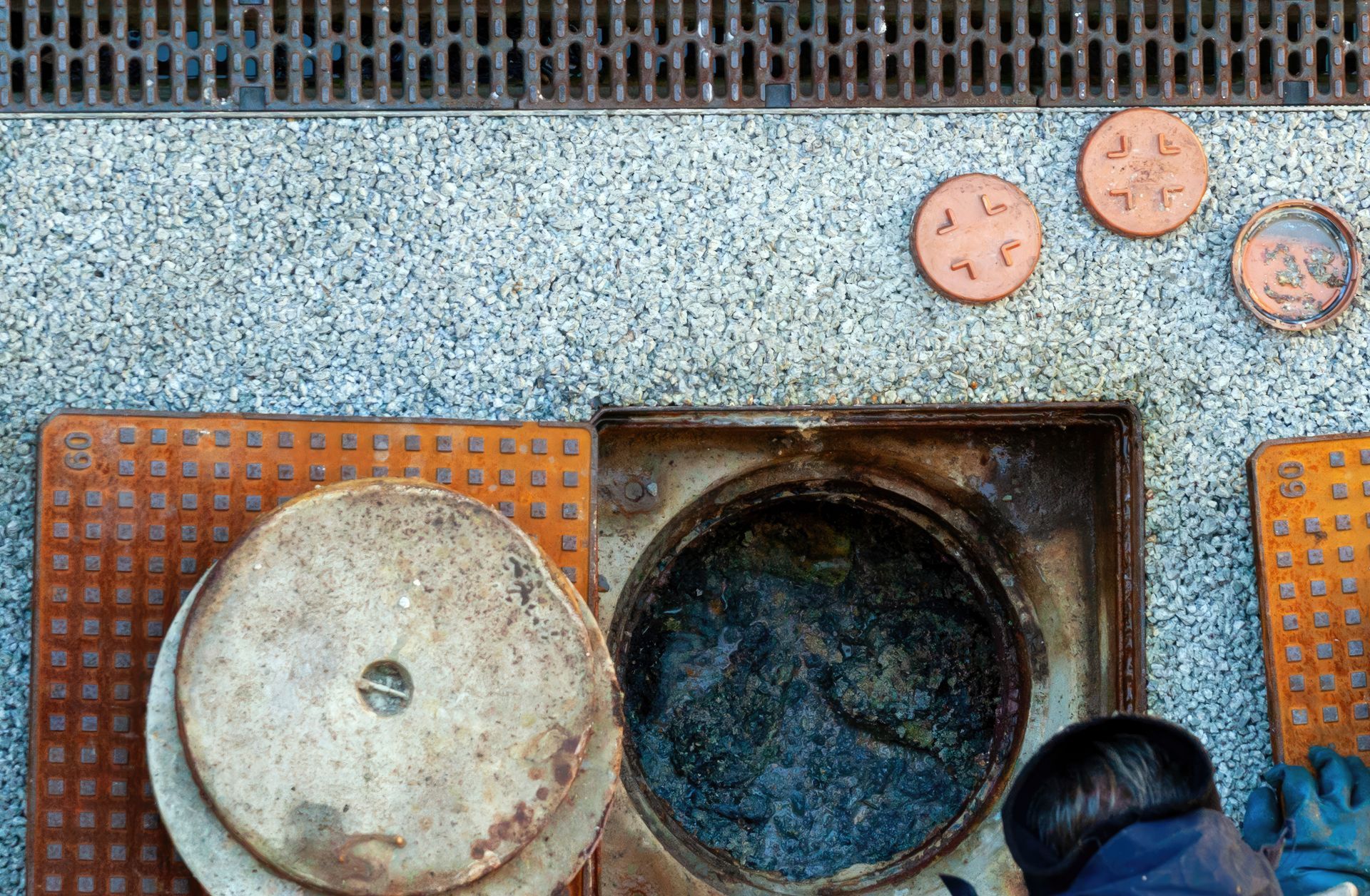
A slow drain is often the first sign of a developing blockage. Grease, food particles, soap residue, and debris gradually build up inside pipes, reducing water flow. In commercial kitchens and restrooms, these materials accumulate faster due to heavy usage.
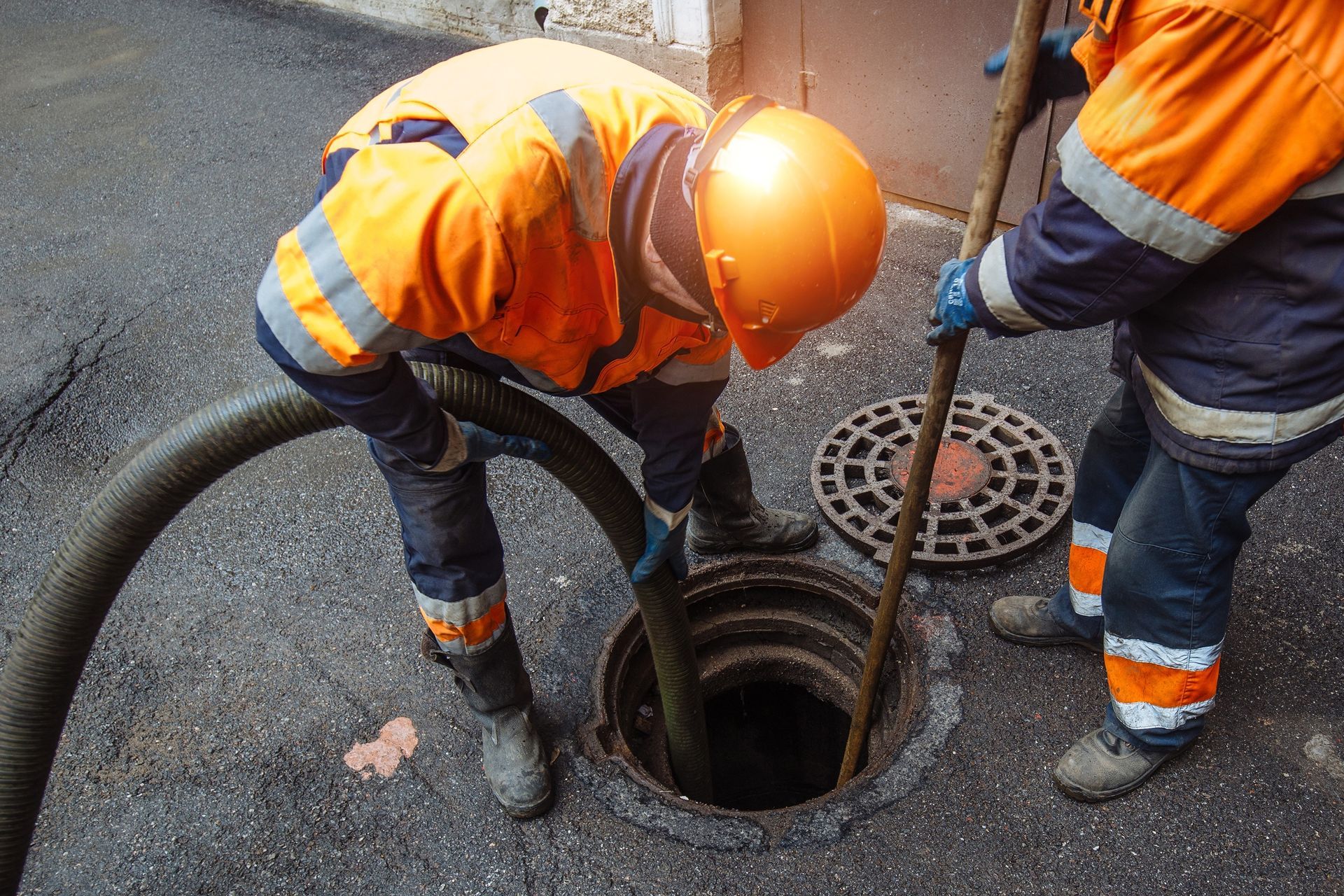
If slow drains are ignored, pressure builds within the system, increasing the risk of backups. Sewer backups are among the most disruptive plumbing issues for businesses, often resulting in unsanitary conditions, unpleasant odors, and temporary closures. What starts as a minor inconvenience can quickly become a serious health and safety concern.
Small Leaks Can Cause Hidden Damage
Minor leaks may not be immediately visible, especially when they occur behind walls, under floors, or above ceilings. Even a slow drip can release a significant amount of water over time. This moisture can weaken building materials, damage insulation, and create an environment where mold thrives.
In commercial buildings, hidden water damage can affect electrical systems, flooring, and structural components. Repairs often require opening walls or ceilings, which increases both cost and downtime. Addressing small leaks early helps prevent these larger issues from developing.
Running Toilets and Wasted Water
A running toilet may seem harmless, but it can waste thousands of gallons of water each year. In commercial restrooms with multiple fixtures, this wasted water adds up quickly, leading to higher utility bills. The constant flow can also strain internal components, increasing the likelihood of a complete failure.
Beyond cost concerns, malfunctioning restrooms can impact customer experience and employee satisfaction. Regular inspections and timely repairs keep fixtures operating efficiently and reduce unnecessary expenses.
Aging Fixtures Create Ongoing Problems
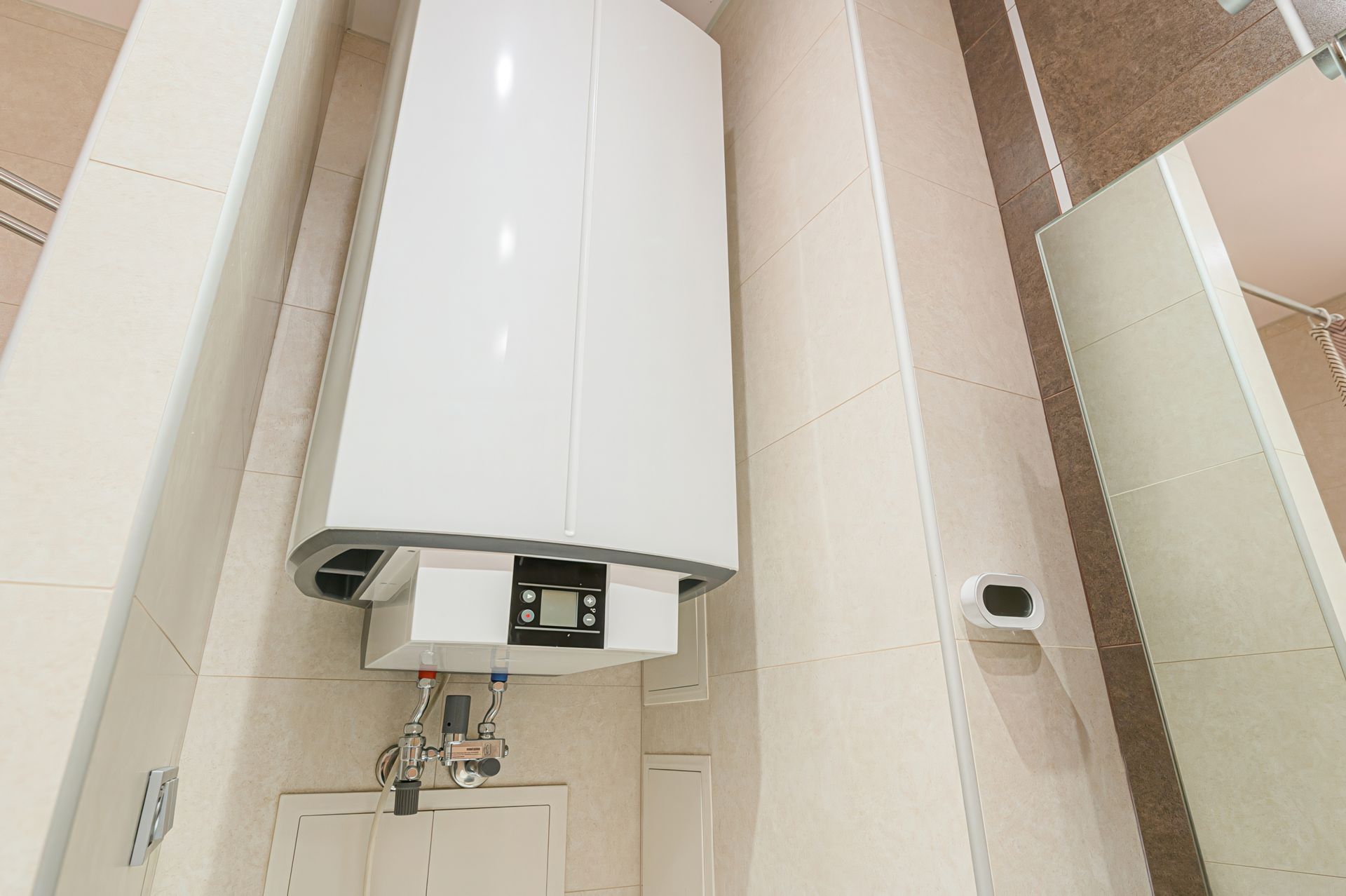
As fixtures age, they become more prone to leaks, corrosion, and inefficiency. Older designs may not meet current standards for water efficiency or hygiene, which can be a concern in commercial settings. Outdated fixtures often require frequent repairs, increasing maintenance costs and downtime.
Replacing aging fixtures before they fail completely allows businesses to upgrade to more reliable, efficient options. This proactive approach reduces the risk of sudden breakdowns and improves overall system performance.
Ignoring Minor Issues Increases Repair Costs
One of the biggest mistakes businesses make is delaying plumbing repairs. Minor issues typically require simple fixes, but when left unattended, they can cause cascading failures throughout the system. For example, a small leak can weaken surrounding pipes, leading to multiple points of failure.
Emergency repairs are often more expensive than scheduled maintenance. They may require after-hours service, extensive repairs, or temporary closures. Investing in preventative plumbing services helps control costs and reduces the stress of unexpected emergencies.
The Value of Preventative Plumbing Services
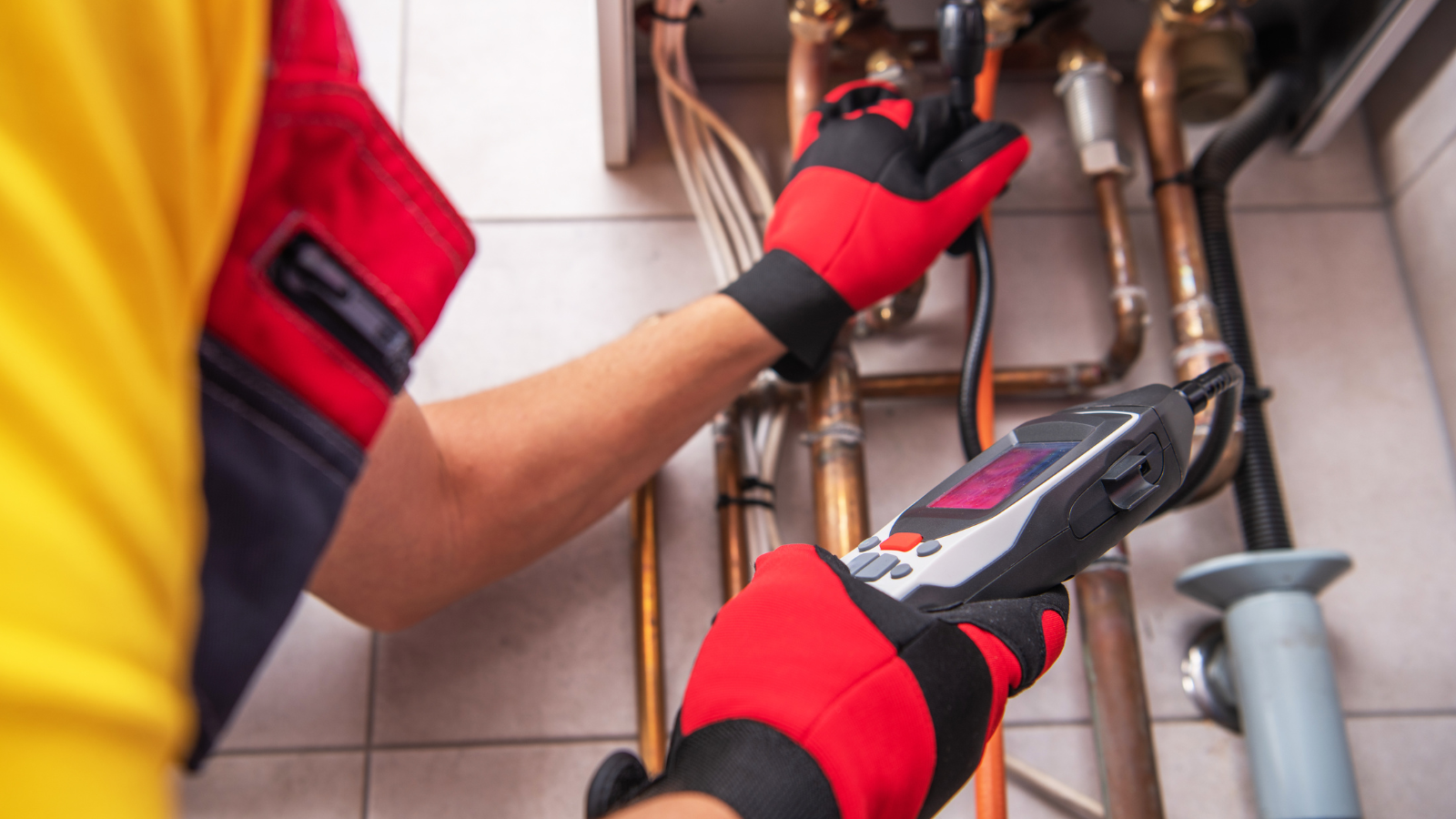
Preventative maintenance is one of the most effective ways to keep commercial plumbing systems running smoothly. Regular inspections and routine service help identify small problems early and ensure systems are operating as intended.
By addressing minor issues promptly, businesses can protect their property, reduce water waste, and avoid costly disruptions. Proactive plumbing care isn’t just about fixing problems—it’s about preventing them from happening in the first place.
Frequently Asked Questions About Commercial Plumbing Problems
Why should small plumbing issues be addressed quickly?
Small plumbing problems often worsen over time. A slow drain, minor leak, or running toilet can lead to water damage, higher utility bills, or system failures if left untreated.
Can a slow drain really cause a sewer backup?
Yes. Slow drains usually indicate buildup inside the pipes. If not addressed, this buildup can block wastewater flow completely, increasing the risk of backups and unsanitary conditions.
How much water can a running toilet waste?
A running toilet can waste thousands of gallons of water each year. In commercial buildings with multiple restrooms, this wasted water can significantly increase monthly utility costs.
Are small leaks a serious concern for businesses?
Yes. Even minor leaks can cause hidden water damage behind walls or under floors. Over time, this moisture can lead to mold growth, structural issues, and costly repairs.
When should aging plumbing fixtures be replaced?
Fixtures that require frequent repairs, leak regularly, or no longer function efficiently should be replaced. Upgrading aging fixtures helps improve reliability, efficiency, and hygiene.
How does preventative plumbing maintenance help businesses?
Preventative maintenance helps identify and fix small issues before they become emergencies. This approach reduces repair costs, minimizes downtime, and helps keep plumbing systems running efficiently.