
Why Winter Is the Best Time for Commercial Plumbing Inspections
Winter can be tough on commercial plumbing systems, especially for businesses across South Carolina that may not be accustomed to extended cold snaps. While freezing temperatures don’t happen often, when they do, pipes, fixtures, and drains can experience stress that isn’t always visible right away. February is an ideal time for commercial plumbing inspections because it allows business owners to identify damage caused by winter conditions before those issues turn into expensive emergencies.
How Cold Weather Affects Commercial Plumbing Systems
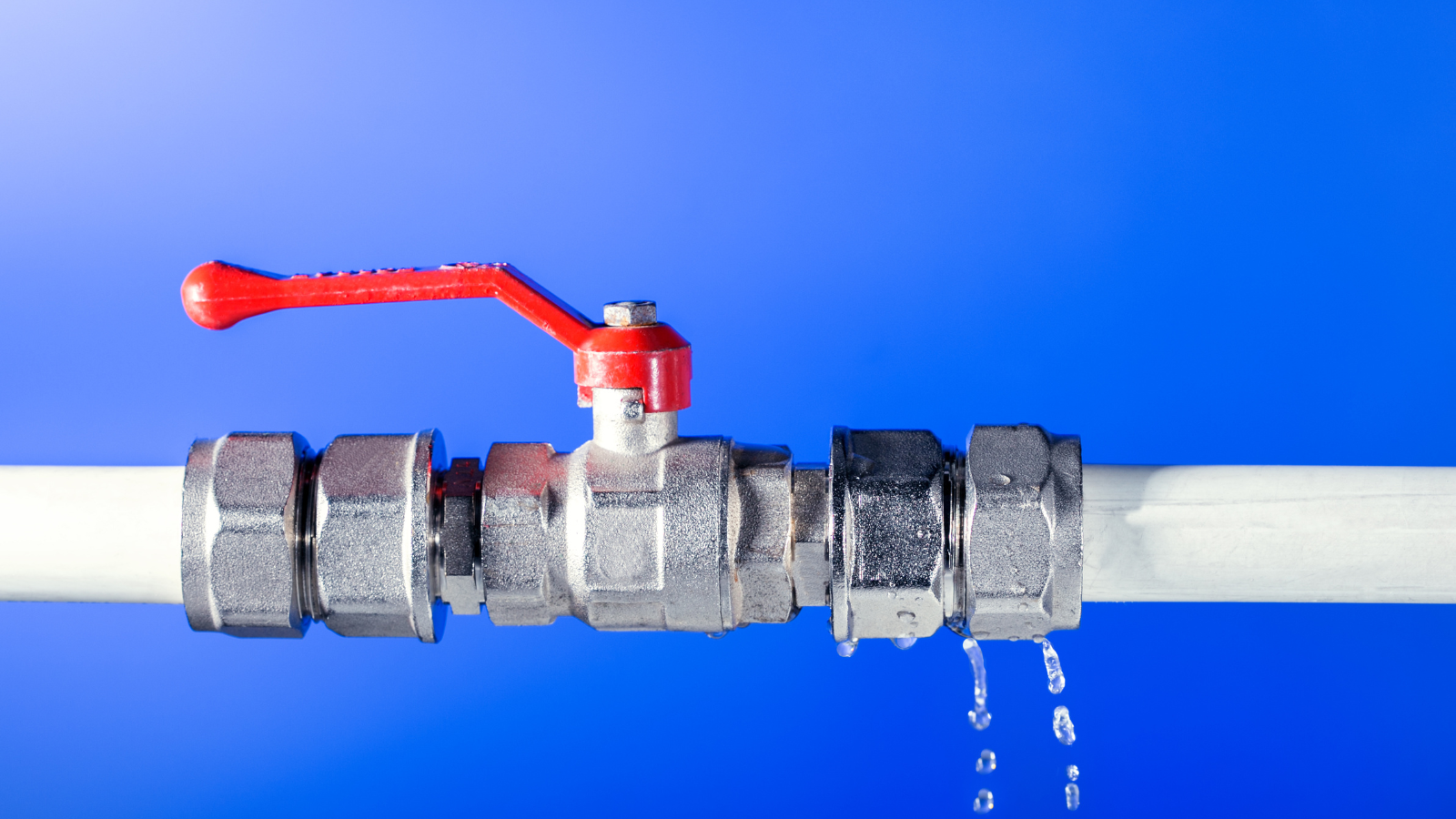
When temperatures drop, water inside pipes can freeze and expand. This expansion places pressure on pipe walls, joints, and fittings. Even if a pipe doesn’t burst outright, the stress can weaken the material and create hairline cracks. Once temperatures rise again, those cracks can begin leaking, often inside walls or underground where they’re hard to detect.
Commercial buildings are particularly vulnerable because of their size and complexity. Long pipe runs, unused restrooms, storage areas, and exterior walls are more likely to experience temperature fluctuations. If parts of the building were closed or used less during winter, standing water in those lines may have been exposed to freezing conditions for extended periods.
Hidden Damage After Winter Freezes
One of the biggest risks after cold weather is damage that goes unnoticed. Small leaks may not show visible signs right away, but they can still cause serious problems over time. Moisture buildup behind walls or under floors can lead to mold growth, structural damage, and unpleasant odors. In commercial settings, these issues can disrupt operations and create safety or health concerns for employees and customers.
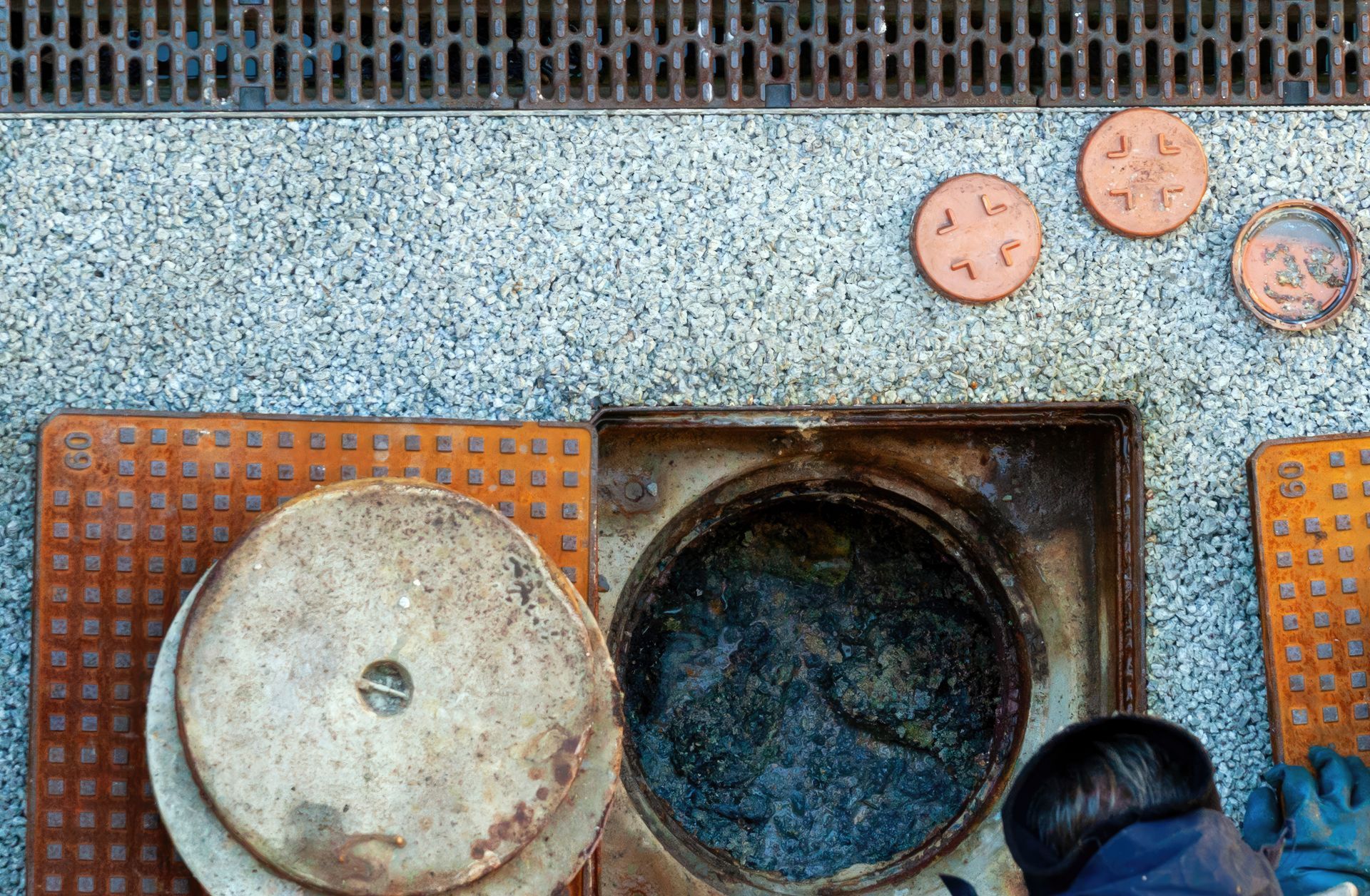
Winter conditions can also affect drains and sewer lines. Grease, debris, and waste harden more quickly in cold temperatures, increasing the risk of slow drains or blockages. Without inspection, these issues can worsen until a full backup occurs.
Why February Is the Ideal Time for Inspections
Scheduling a plumbing inspection in February allows businesses to address problems early, before spring demand increases. As temperatures rise, plumbing systems begin working harder, and any weakened components are more likely to fail. Catching issues now helps avoid emergency repairs during busy seasons when downtime can be especially costly.
February inspections also help businesses plan repairs proactively instead of reacting to sudden breakdowns. Addressing issues on a schedule allows for better budgeting and minimizes disruption to daily operations.
What a Commercial Plumbing Inspection Includes
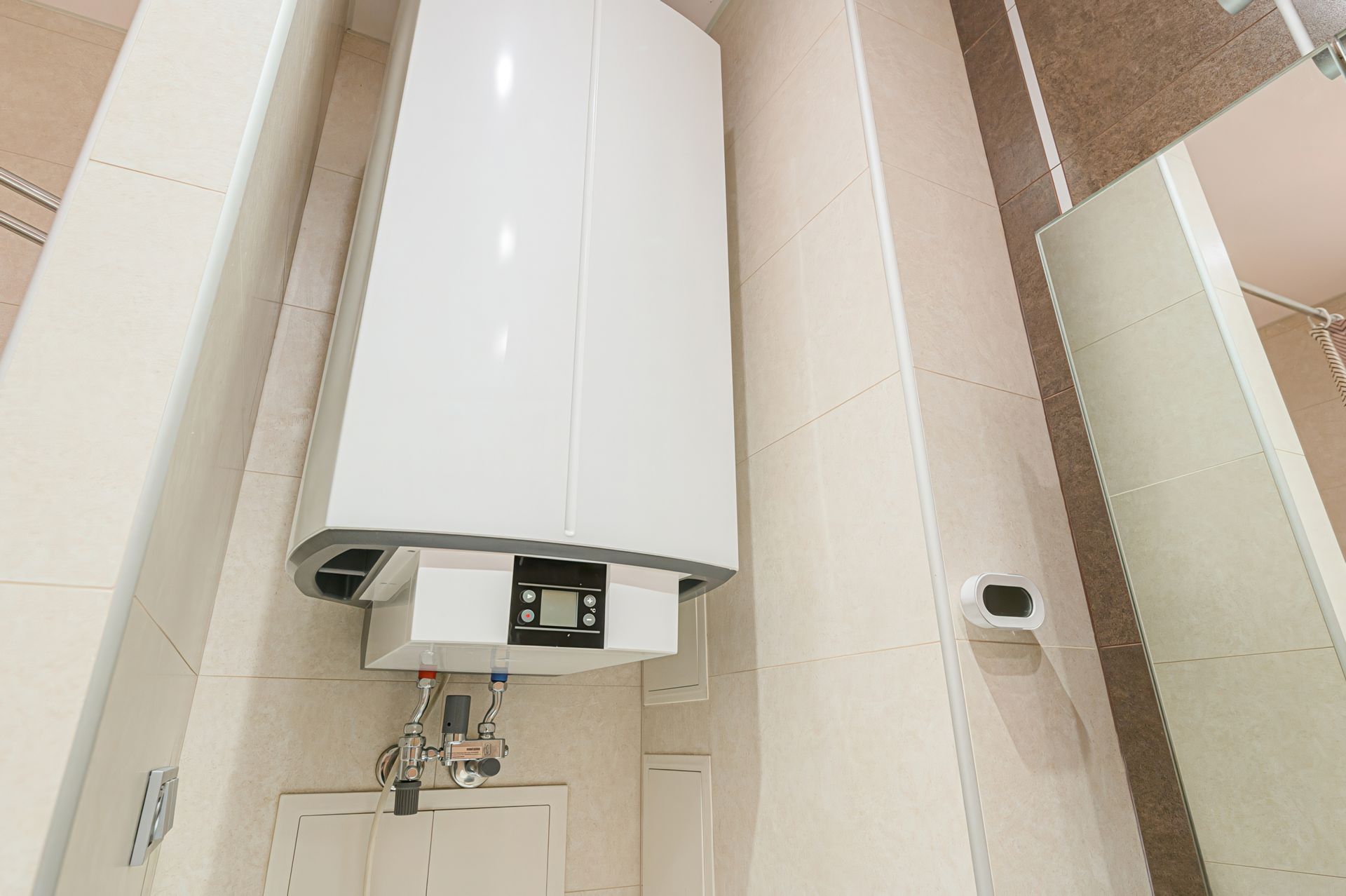
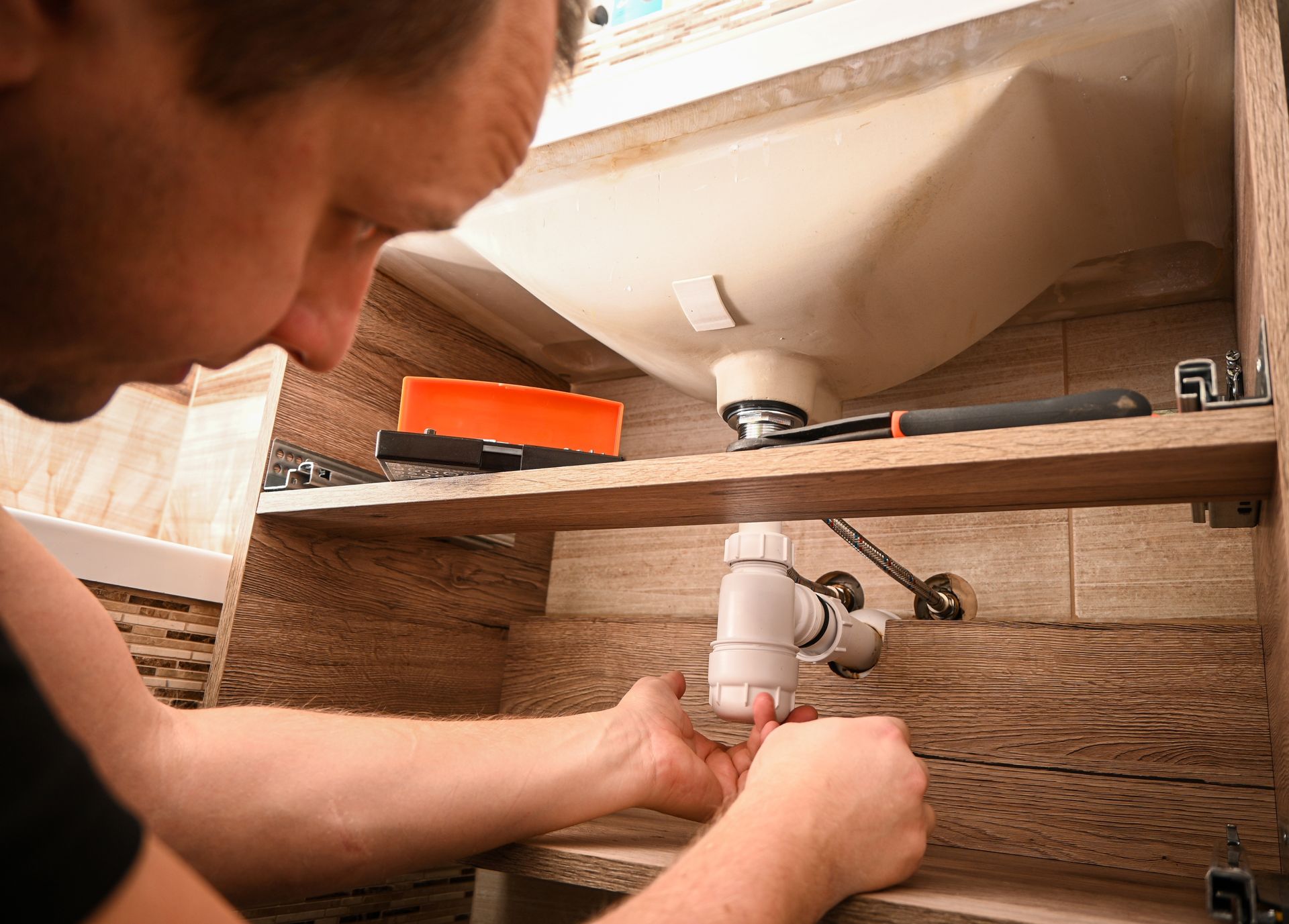
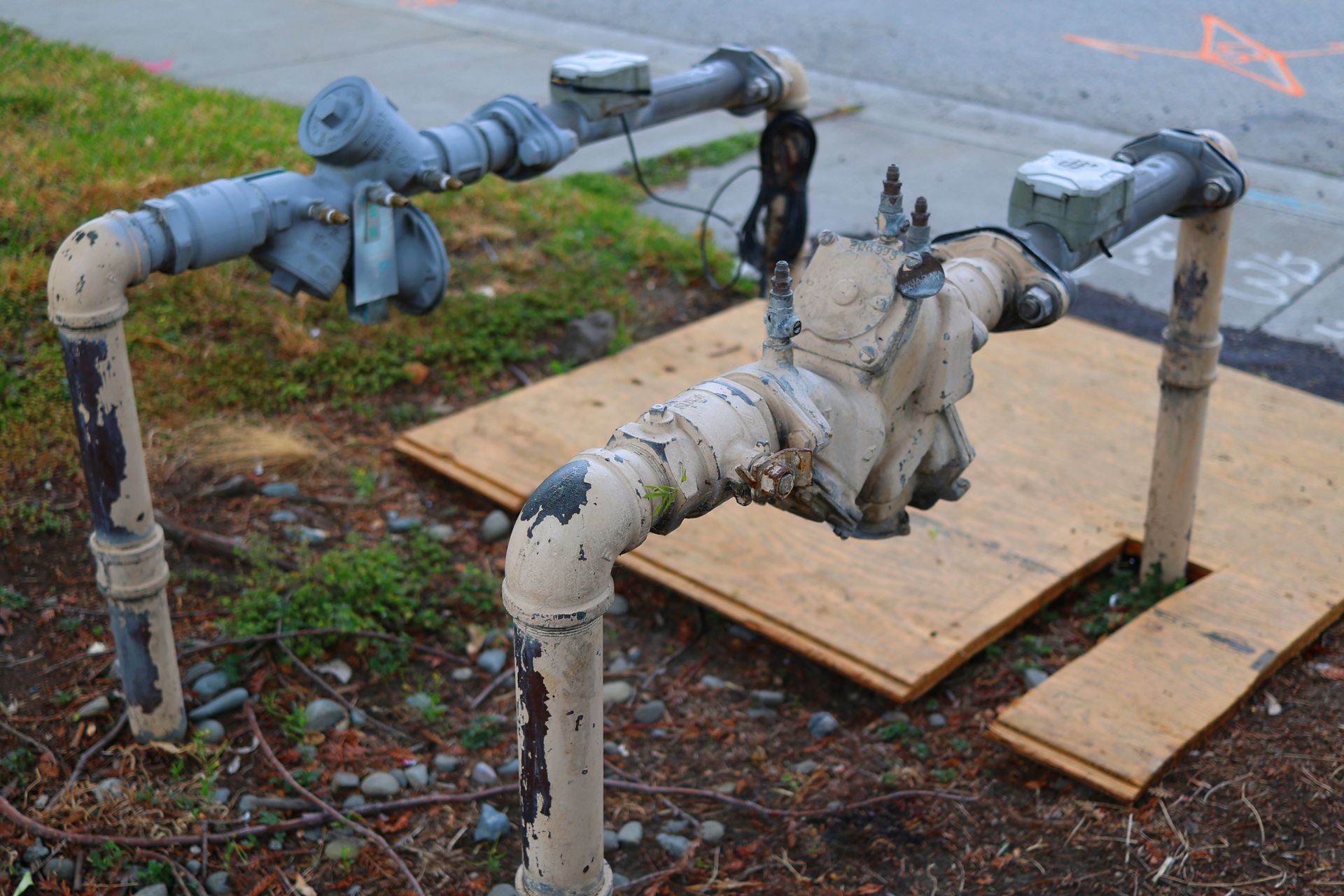
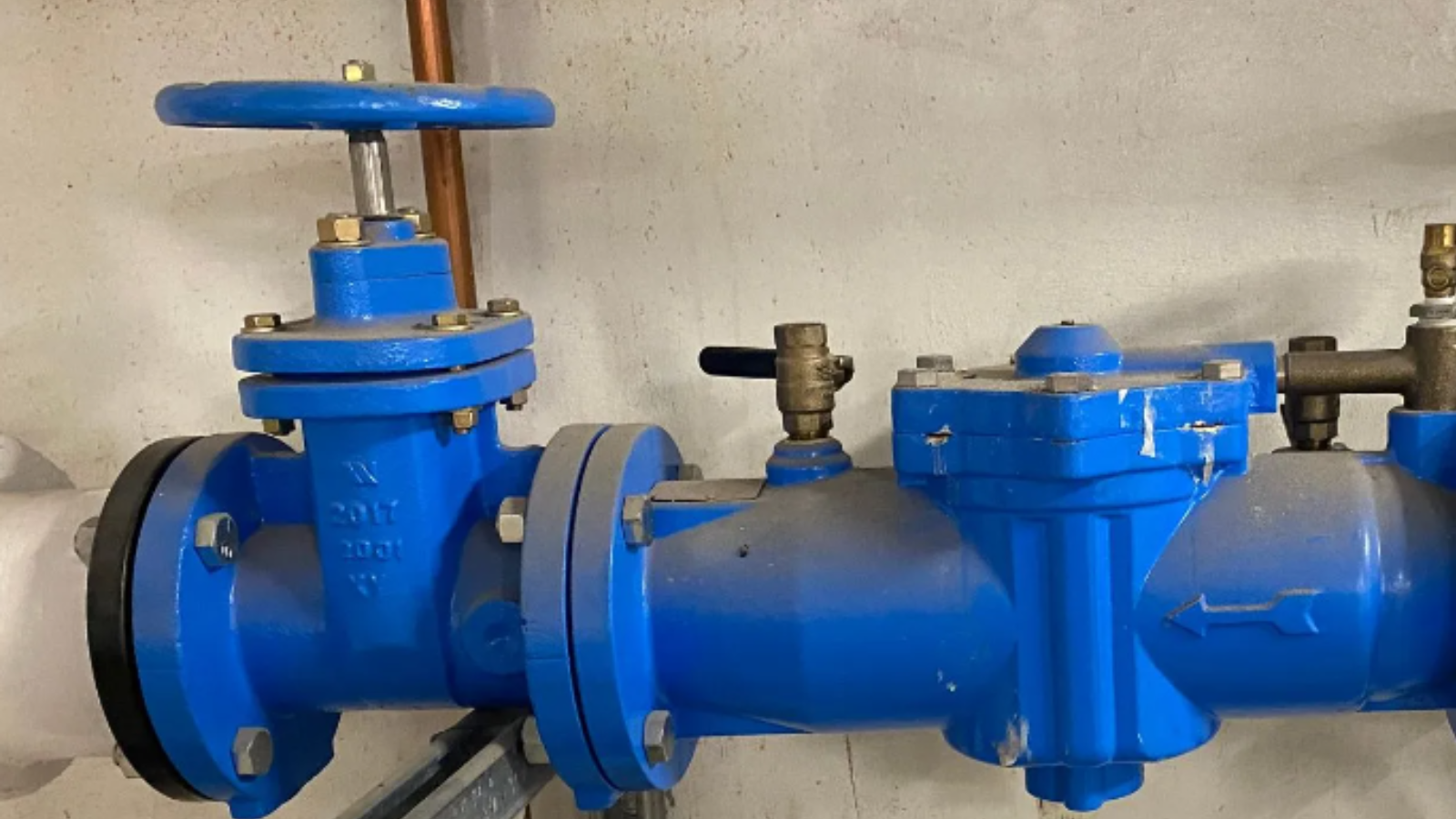
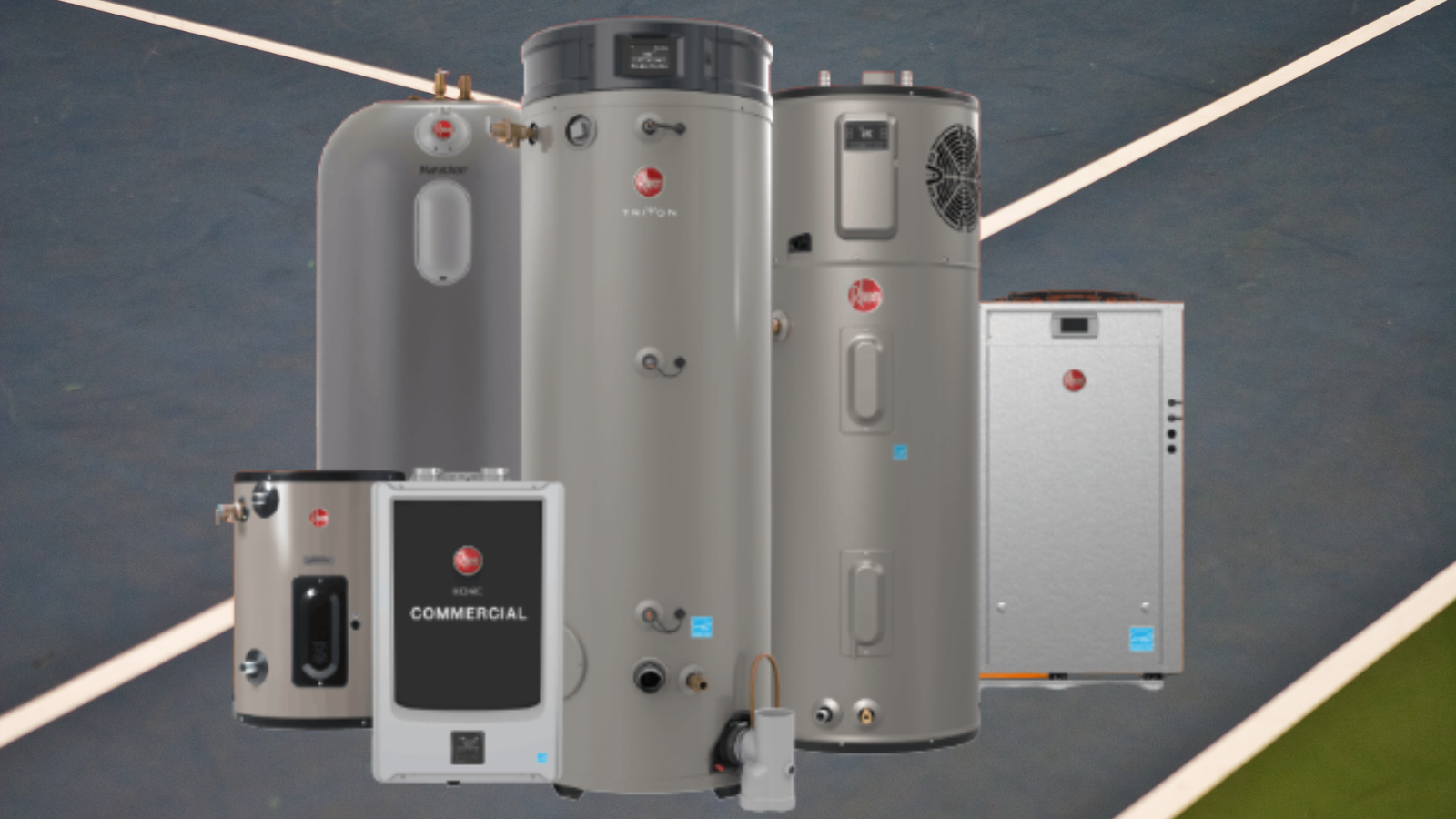
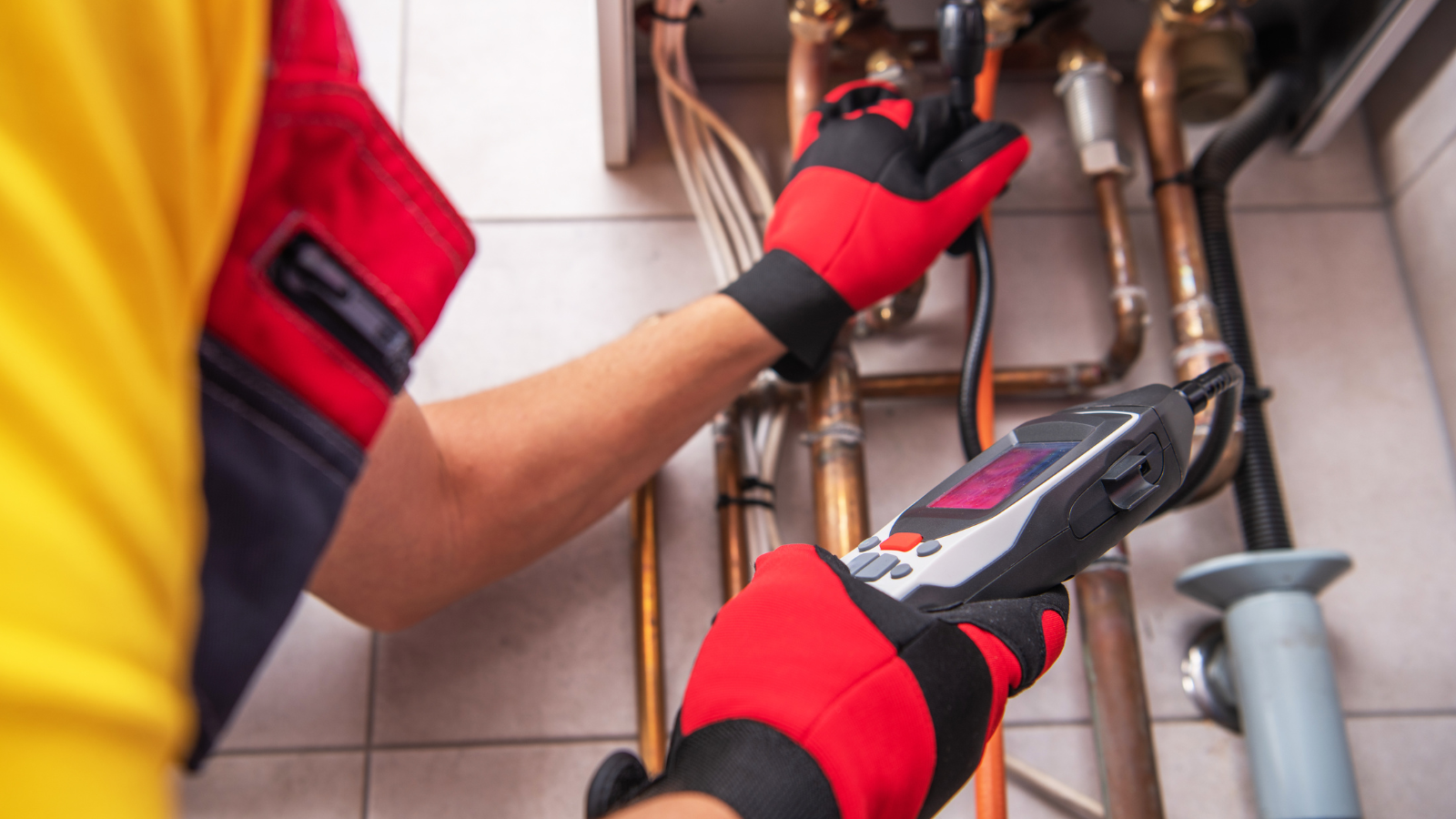
A professional commercial plumbing inspection is designed to evaluate the system as a whole, not just individual fixtures. Inspections typically include checking visible pipes for leaks or corrosion, testing water pressure, and evaluating drains for signs of slow flow or buildup. Plumbers may also inspect water heaters, backflow prevention devices, and restroom fixtures to ensure they’re functioning properly.
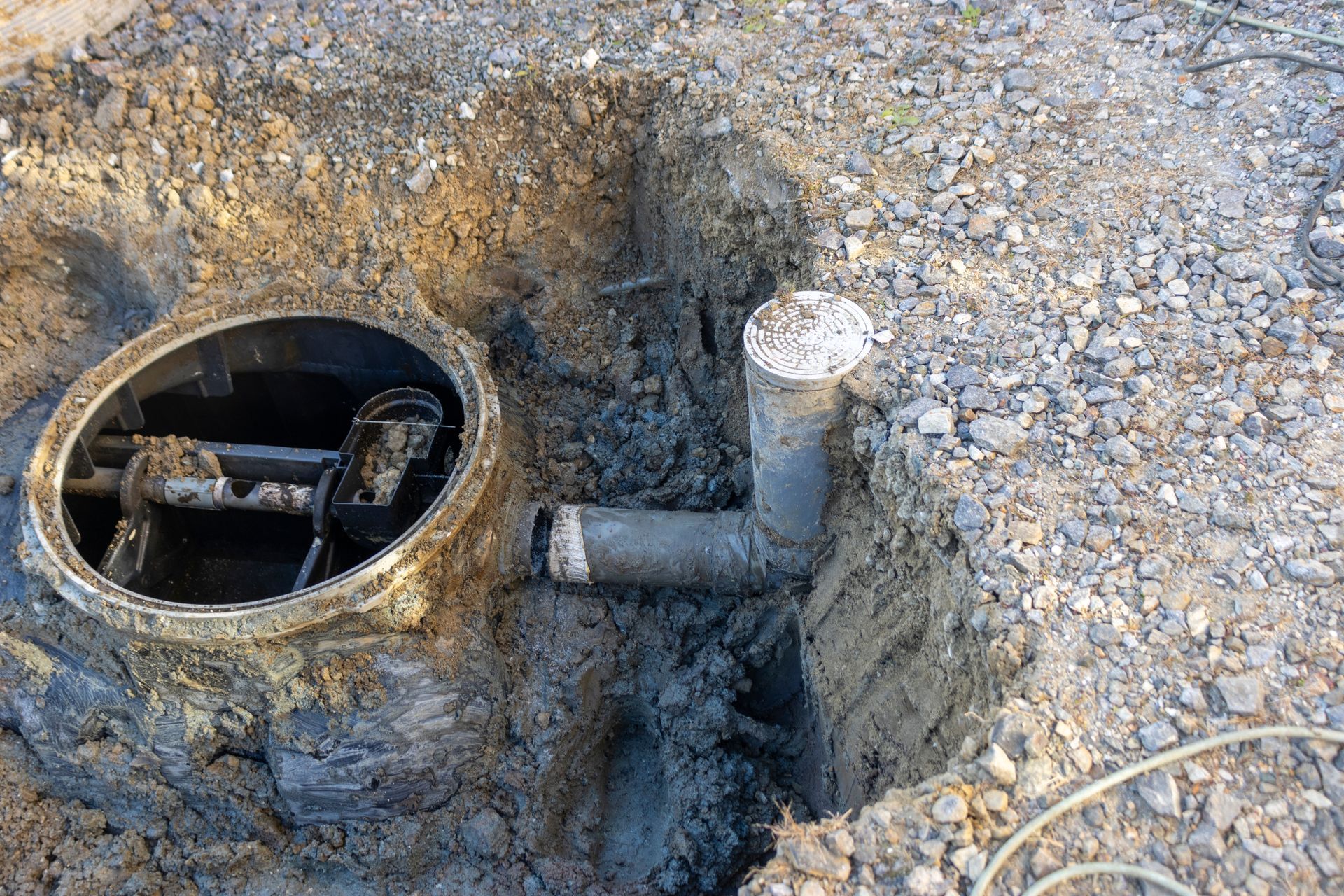
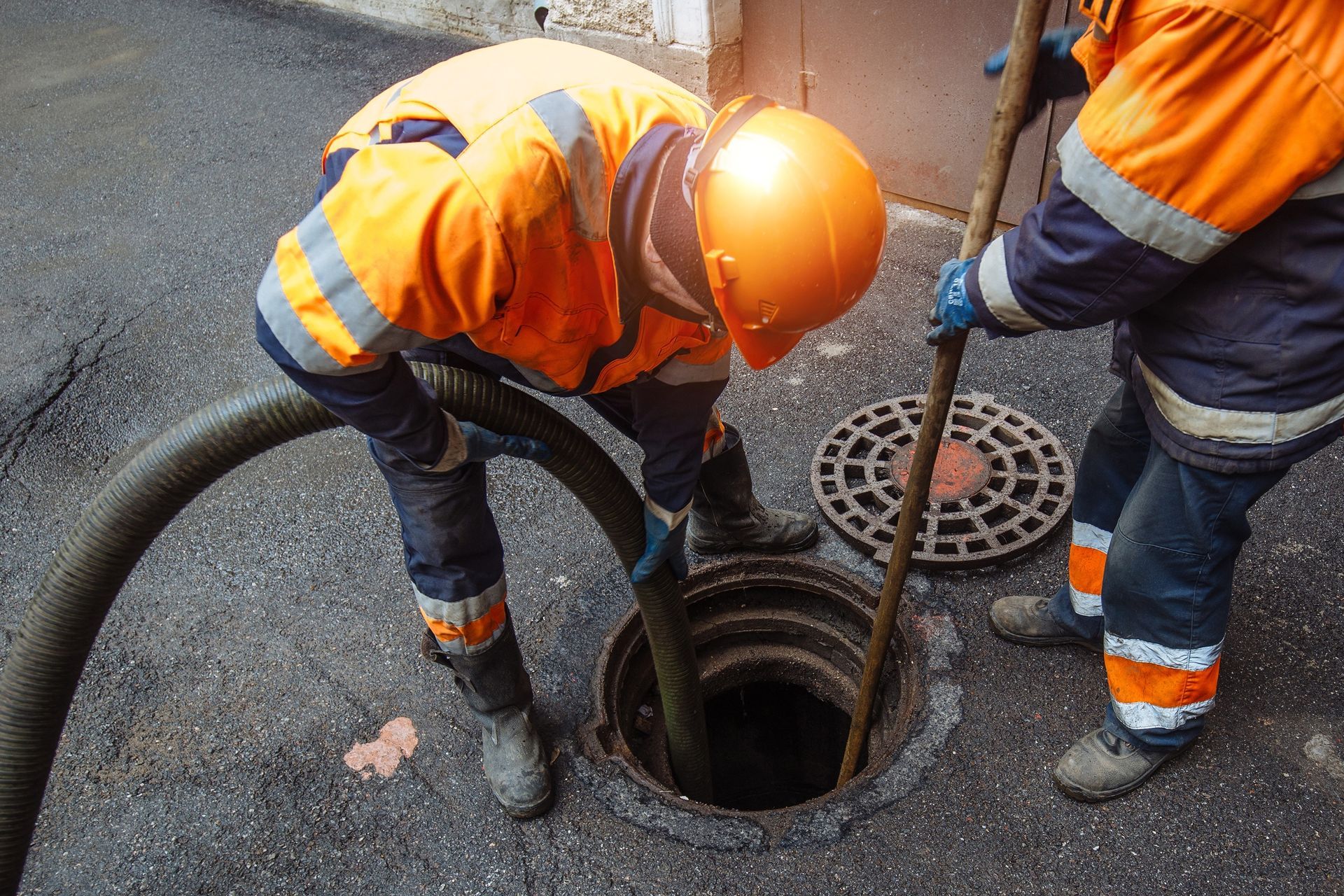
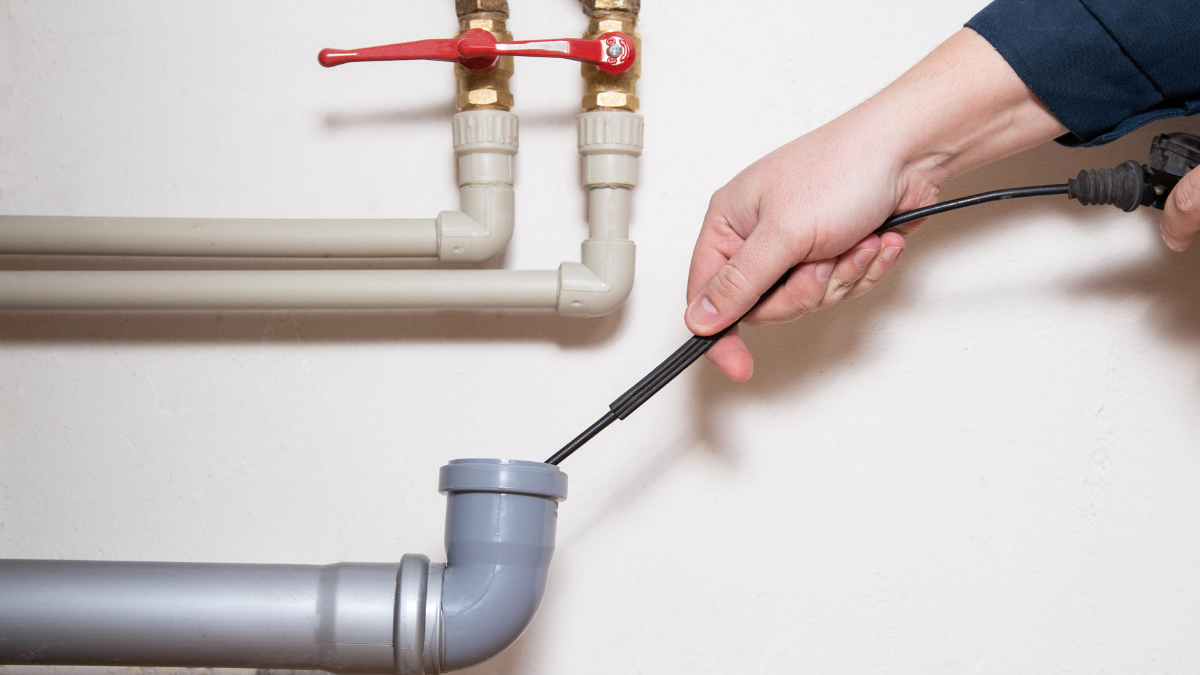
For businesses with complex systems, inspections can include drain camera evaluations to identify blockages or damage inside sewer lines. This is especially helpful after winter, when freezing and thawing cycles can shift soil and affect underground piping.
Preventing Costly Downtime and Repairs
Unexpected plumbing failures can force businesses to close restrooms, kitchens, or even entire facilities. This downtime impacts productivity, customer satisfaction, and revenue. Regular inspections help reduce the likelihood of these disruptions by identifying issues before they escalate.
Preventative maintenance also extends the lifespan of plumbing systems. Replacing worn components and addressing small leaks early can prevent larger failures that require extensive repairs or replacements.
Supporting Long-Term Maintenance Plans
Winter inspections are an excellent foundation for ongoing plumbing maintenance programs. By understanding the current condition of the system, businesses can prioritize repairs and schedule routine service throughout the year. This approach improves reliability and reduces the stress of dealing with emergencies.
Commercial plumbing inspections in February aren’t just about fixing winter damage—they’re about protecting your business for the months ahead.
Frequently Asked Questions About Commercial Plumbing Inspections
How often should commercial plumbing inspections be scheduled?
Most commercial buildings should schedule a plumbing inspection once a year. Facilities with heavy water use, older systems, or commercial kitchens may benefit from more frequent inspections, especially after winter.
Can pipes be damaged by freezing even if they don’t burst?
Yes. Freezing water can weaken pipes, joints, and fittings without causing an immediate burst. These weakened areas may fail later when water pressure increases.
What areas are most vulnerable during winter?
Pipes in exterior walls, crawlspaces, attics, storage areas, unused restrooms, and outdoor plumbing are most at risk. Underground lines can also be affected by freezing and shifting soil.
Are drain inspections necessary after winter?
Yes. Cold temperatures can harden grease and debris inside pipes, increasing the risk of clogs and backups. Drain inspections help catch these issues early.
Will an inspection disrupt daily business operations?
Most inspections are minimally disruptive and can be scheduled during low-traffic hours. Preventative inspections help avoid emergency repairs that cause much longer downtime.
How do plumbing inspections help reduce costs?
Inspections catch small problems early, reducing the risk of major repairs, water damage, and emergency service calls. They also help extend the life of plumbing systems.