
Why Do Drains Clog More Often During Greenville’s Humid Summers?
Why Do Drains Clog More Often During Greenville’s Humid Summers?
For many homeowners in the Upstate, summer is synonymous with backyard barbecues, trips to Falls Park, and enjoying the lush, green landscapes that define our region. However, as the temperature climbs and the humidity settles over Greenville, many residents begin to notice a frustrating trend: their drains start moving slower, and unpleasant odors begin to waft from the kitchen sink or floor drains.
It’s not just your imagination. There is a direct correlation between the intense humidity of a South Carolina summer and the efficiency of your home’s plumbing system. While we often associate plumbing disasters with the winter freeze, the unique environmental conditions of a Greenville summer create a perfect storm for drain and sewer complications. Understanding why this happens and how to prevent it can save you from a messy emergency when you’d rather be enjoying your summer vacation.
The Role of Humidity and Heat in Drain Sludge
The primary culprit behind summer drain issues is the combination of heat and moisture. High humidity levels slow down the evaporation process. In your drainage system, this means that the interior of your pipes stays damp for longer periods. When organic matter such as food scraps, hair, or skin cells enters the drain, the constant moisture accelerates the decomposition process.
In a drier climate, some of this residue might dry out and be washed away by the next flush of water. In the humid environment of Greenville, however, these materials often transform into a thick, gelatinous "biofilm" or sludge that clings to the pipe walls. Over time, this layer thickens, catching more debris and narrowing the path for water to flow, eventually leading to a complete blockage.
Increased Usage: The "Summer Strain"
During the summer months, residential plumbing systems in South Carolina typically see a significant spike in usage. Schools are out, meaning children are home more often, leading to more frequent toilet flushes and handwashing. Additionally, the heat leads to more frequent showering and significantly more laundry as we cycle through sweat-soaked clothes and pool towels.
This increased volume of water doesn't just mean more wear and tear; it means more opportunities for foreign objects to enter the system. From the extra grease washed off a grill plate to the sand and silt brought home from a weekend trip, your drains are processing a much heavier load than they do in the autumn or spring.
Tree Root Intrusion: The Hidden Summer Threat
Greenville is famous for its beautiful canopy of trees, but those same trees can be a nightmare for your sewer line. During the peak of summer, the ground can become dry between afternoon thunderstorms. As trees enter their most aggressive growth phase, their roots seek out any available source of moisture.
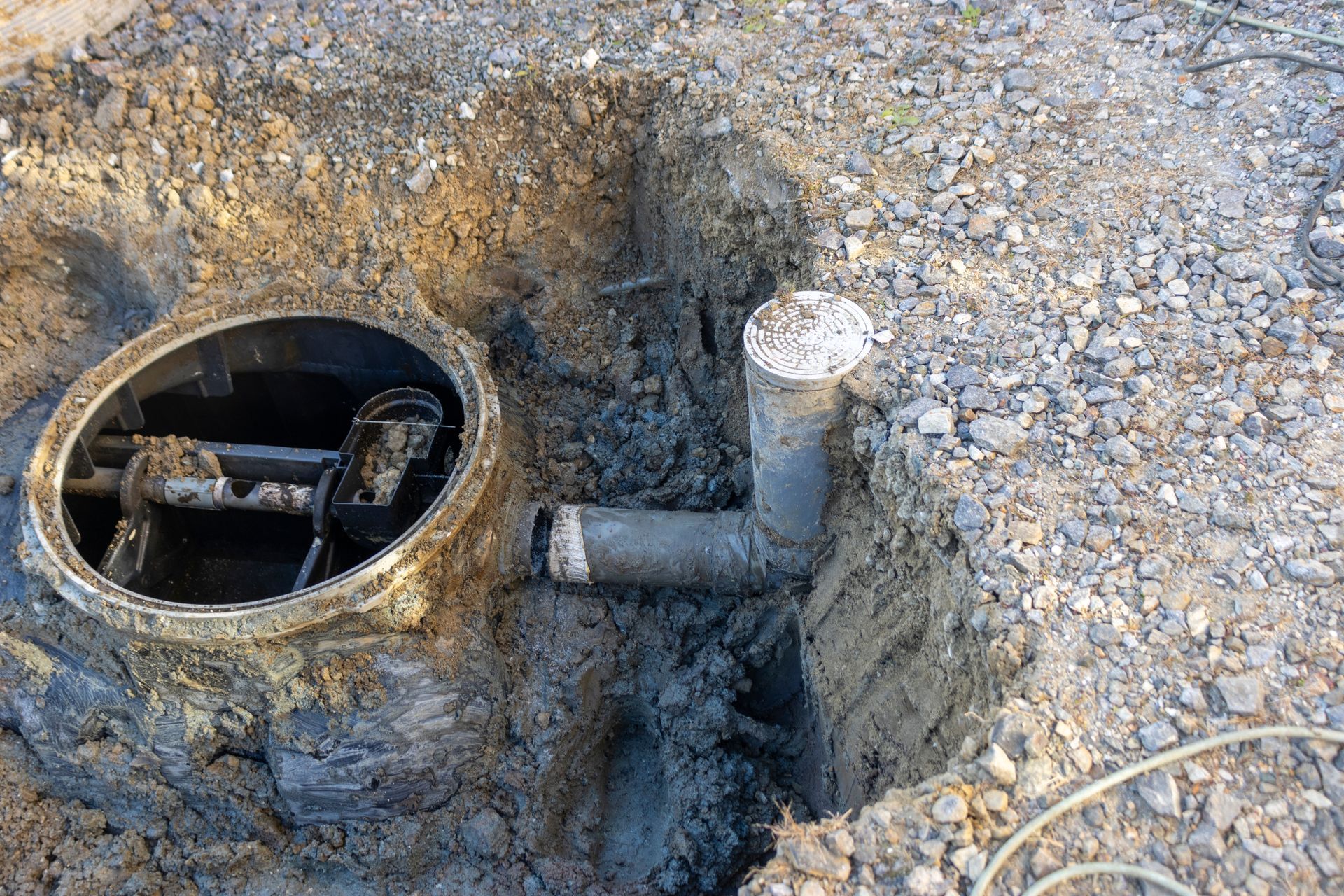
Your sewer line, which carries nutrient-rich water and stays consistently cool, acts as a beacon for thirsty roots. Small cracks or loose joints in older clay or cast-iron pipes are easily penetrated by microscopic root hairs. Once inside, the roots thrive in the humid environment, growing rapidly and creating a literal "web" inside your pipe that catches toilet paper and solid waste. This is why many main-line backups occur during the hottest months of the year.
The Impact of Summer Storms on Sewer Lines
We are all familiar with the sudden, intense thunderstorms that roll through the Upstate in July and August. These heavy downpours can drop inches of rain in a matter of minutes, oversaturating the soil. If your home has a combined sewer system or if there are cracks in your lateral line, "inflow and infiltration" can occur.
When the ground becomes waterlogged, the excess water can seep into your sewer pipes, overwhelming their capacity. If the city’s main line is also struggling with the volume, the pressure can cause sewage to back up into the lowest drains of your home. This is a common diagnostic finding for homes in older Greenville neighborhoods where the infrastructure may be aging, often showing How Small Plumbing Issues Turn Into Big Problems.
Managing Your Garbage Disposal
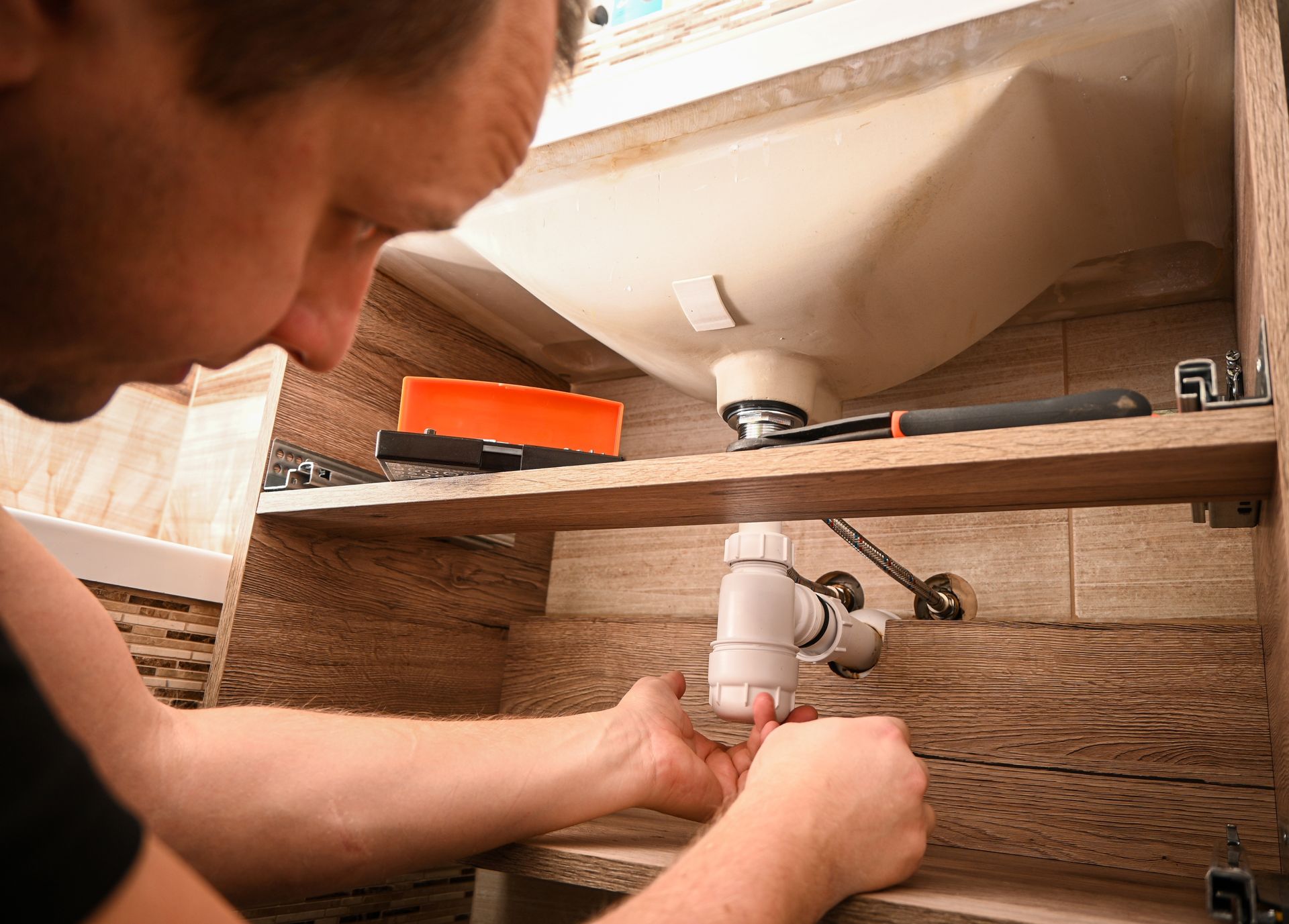
With summer produce and cookouts comes an increase in kitchen waste. Corn husks, watermelon rinds, and potato peels are common summer scraps that often find their way into the garbage disposal. However, many of these items are fibrous or starchy. In a humid environment where pipes are already prone to sludge buildup, these heavy organics settle in the "P-trap" and expand, creating a stubborn clog that can’t be cleared with simple plunging.
Real-World Examples in Greenville Homes
We often see issues in neighborhoods like North Main or Augusta Road, where mature trees and historic plumbing meet modern high-capacity appliances. A common scenario involves a homeowner who hosts a Fourth of July gathering. The combination of increased guest usage, heavy food prep, and roots already encroaching on the line leads to a total sewer backup just as the festivities begin.
In these cases, the humidity didn't necessarily "create" the root problem, but it accelerated the growth and the organic buildup enough to reach a breaking point during a high-use event.
Cost Considerations for Drain and Sewer Services
Maintaining your drains is always more affordable than a midnight emergency repair. Generally, a professional drain cleaning or a high-pressure hydro-jetting service can range from $250 to $600, depending on the severity of the blockage.
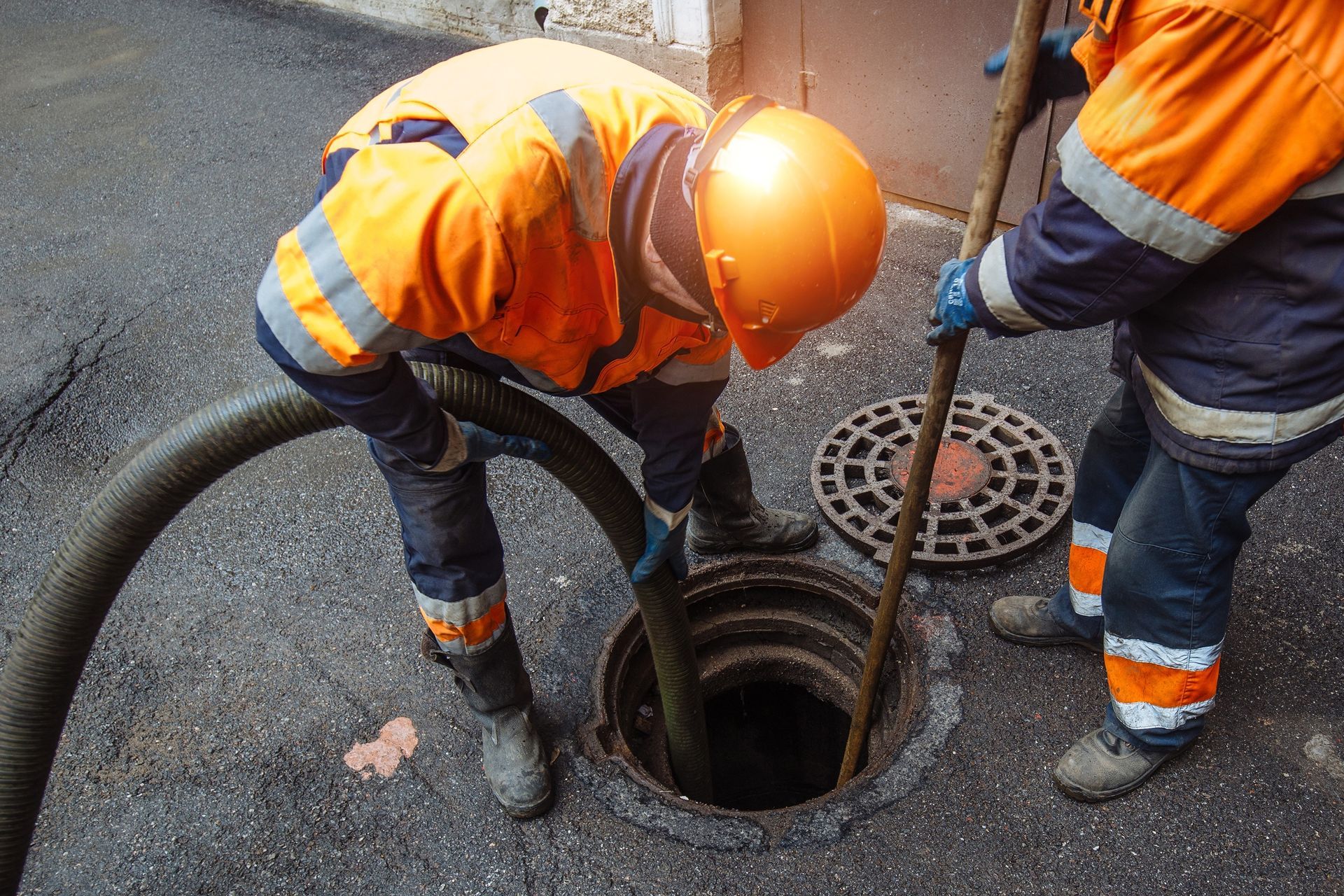
If the problem is deeper, such as root intrusion or a collapsed section of the pipe, costs can increase. A sewer camera inspection, which we highly recommend for homes in the Greenville area over 30 years old, usually costs between $150 and $300. This small investment can prevent a $3,000+ excavation repair by catching issues while they are still manageable.
When to Call a Professional
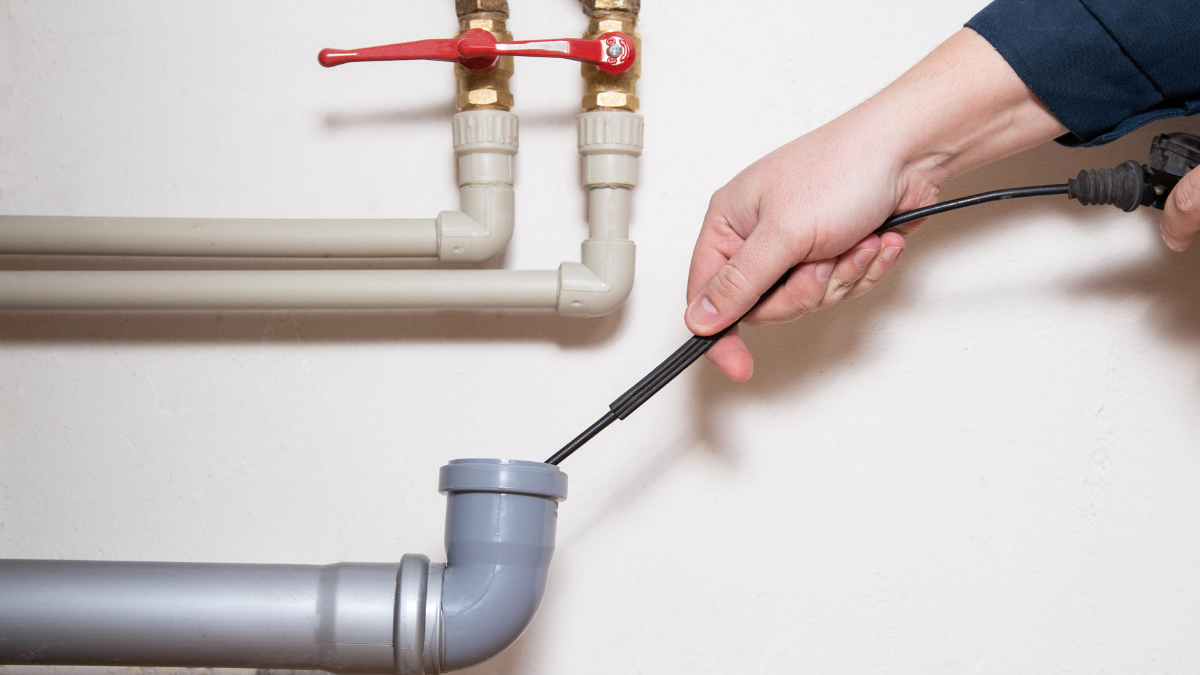
While some minor sink clogs can be handled with a retail zip-tool or a plunger, you should call a licensed expert at Fortner Plumbing LLC if you experience:
- Multiple Clogged Drains: If the shower backs up when the toilet flushes, the problem is in your main sewer line.
- Persistent Sewage Odors: Humidity can amplify smells, but a constant "rotten egg" scent indicates a venting issue or a dried-out trap.
- Gurgling Sounds: If your drains "talk" back to you, it’s a sign of trapped air caused by a partial blockage.
- Slow Drainage After Heavy Rain: This indicates your system is struggling with soil saturation and potential pipe integrity issues.
Ensure a Clog-Free Summer
Don't let a preventable plumbing disaster ruin your summer plans. If you've noticed your sinks draining slower as the temperature rises, it’s time for a professional check-up. Fortner Plumbing LLC specializes in comprehensive Drain and Sewers services tailored to the specific needs of Greenville residents. Whether you need a routine cleaning or a detailed camera inspection of your sewer line, our Emergency Plumbing Service team is here to ensure your home remains comfortable and functional all season long.
Contact us today to schedule your preventative maintenance and keep your pipes flowing freely through the peak of the South Carolina summer.
Quick Answers for Greenville Homeowners (FAQ)
Why does my kitchen sink smell worse in the summer?
The high humidity in Greenville prevents moisture in your drains from evaporating, which accelerates the rot of food particles trapped in your disposal or P-trap. The heat also causes gasses to expand, making odors more noticeable throughout your kitchen.
Can I use chemical drain cleaners to fix summer clogs?
We advise against it. Chemical cleaners generate heat to dissolve clogs, which can soften PVC pipes or worsen the corrosion in older cast-iron pipes common in Greenville. They often fail to clear the thick organic sludge or roots common in summer.
How do tree roots get into my sewer line?
During dry spells, roots seek out the moisture and nutrients inside your pipes. They can enter through tiny cracks or gaps in pipe joints. Once inside the humid environment of the pipe, they grow quickly, eventually causing a total blockage.
Does heavy rain cause drains to back up?
Yes. Intense summer storms in Greenville can saturate the ground, forcing excess water into cracked sewer lines (infiltration). This can overwhelm your home’s plumbing and cause waste to back up through your lowest floor drains or toilets.
What is the best way to prevent summer drain issues?
Routine maintenance is key. Avoid putting grease or fibrous foods down the disposal, and consider a professional hydro-jetting service every 2-3 years to clear out the "summer sludge" and small root growth before they become major problems.