
What to Do During a Backflow Emergency: A Homeowner’s Guide for Anderson, SC
What to Do During a Backflow Emergency: A Homeowner’s Guide for Anderson, SC
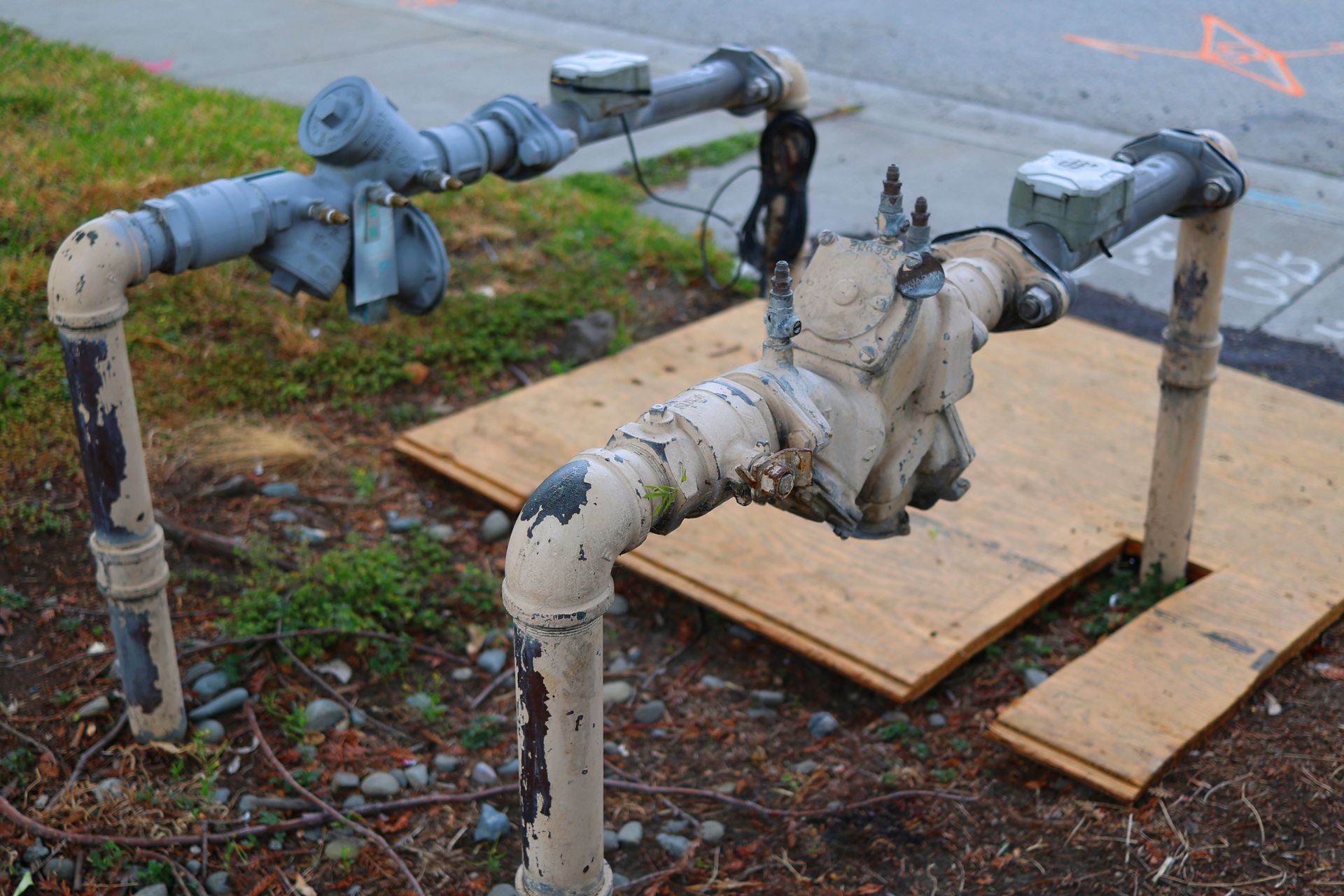
For homeowners in Anderson, SC, few plumbing issues are as alarming as a backflow incident. Whether you are living in a historic home near the North Anderson Historic District or a newer build closer to the shores of Lake Hartwell, the safety of your family’s drinking water is paramount.
Backflow occurs when the flow of water in your pipes reverses, potentially pulling contaminated water (containing everything from lawn fertilizers and pesticides to soapy gray water) into your clean water supply. When this happens, it isn't just a repair issue; it’s a health emergency that requires immediate action. In this guide, we will walk you through the immediate steps to take during a backflow failure, how to identify the signs of a cross-connection leak, and how the specific climate of the Upstate affects your prevention strategy.
Understanding the Backflow Emergency
Backflow is the "reverse flow" of non-potable water into your home’s clean water lines. In a healthy system, water pressure is maintained so that water only flows in one direction: from the city main into your faucets. However, a sudden drop in pressure (backsiphonage) or an increase in downstream pressure (backpressure) can cause water to flow backward.
In Anderson, this often happens due to a sudden break in a water main or when the local fire department uses a high volume of water from a nearby hydrant. When that pressure drops, the vacuum created can suck dirty water from your irrigation system, swimming pool, or garden hose back into your kitchen sink. This is why having a certified Backflow Prevention & Testing Service is a non-negotiable part of home maintenance.
Signs and Symptoms of a Backflow Failure
Identifying a backflow issue early can prevent illness and extensive plumbing damage. Watch for these red flags:
- Discolored Water: If your water suddenly appears brown, yellow, or even pinkish, it suggests that sediment or chemicals have entered the line.
- Foul Odors: Clean water should be odorless. A "sulfur" or "rotten egg" smell coming from your tap is a clear sign of contamination.
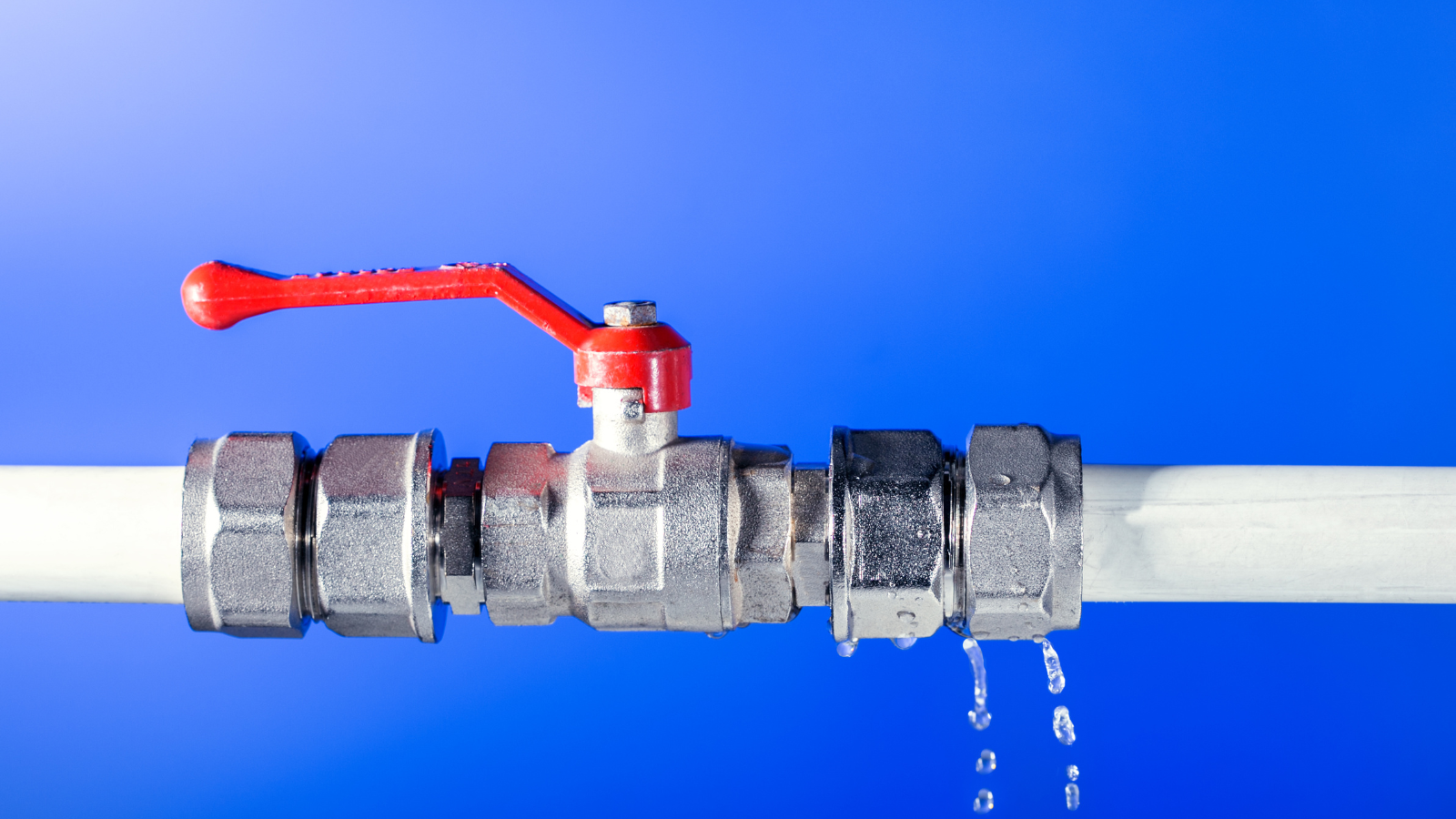
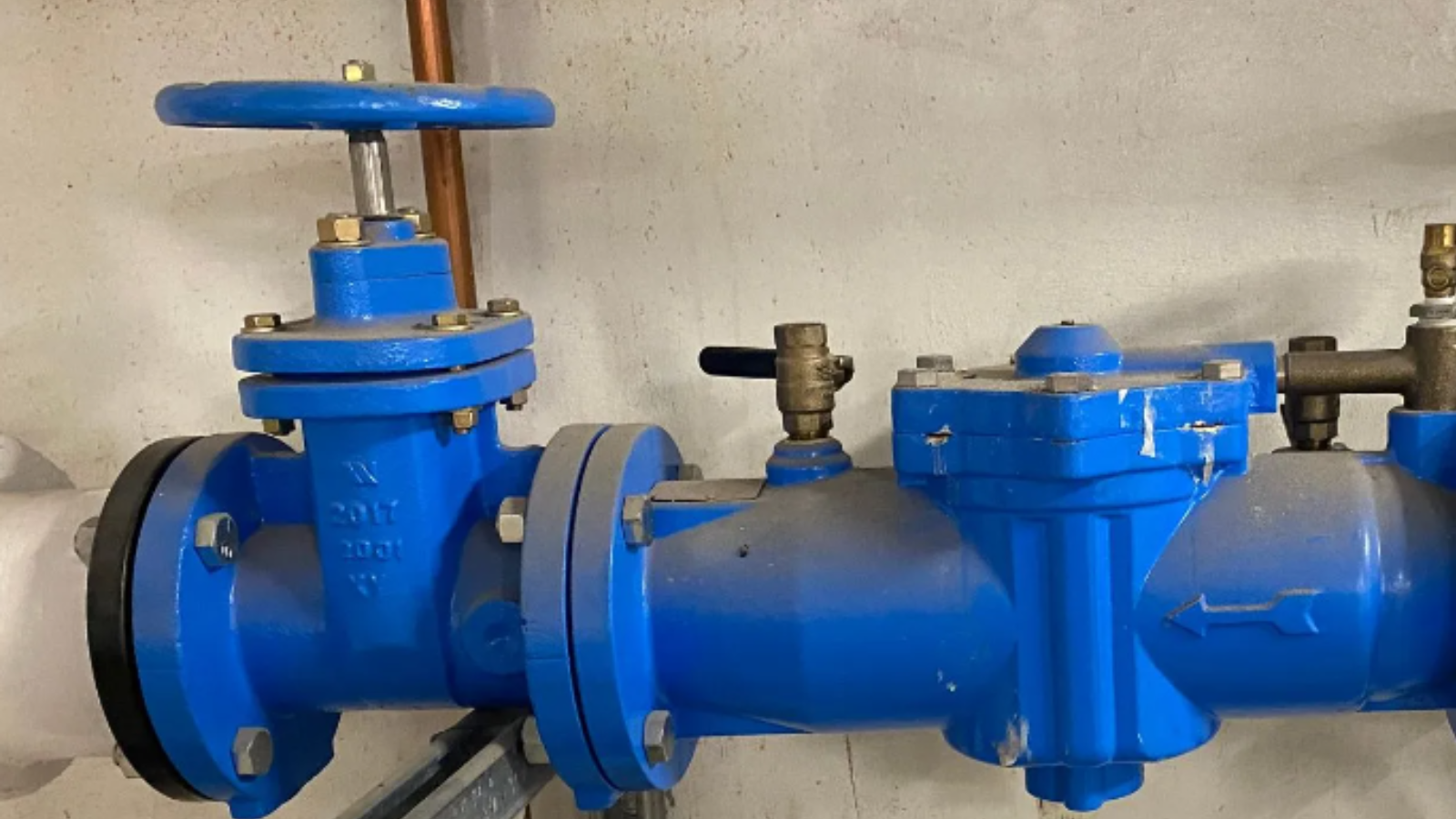
- Visible Leaking at the Device: Most Anderson homes have a backflow preventer, which is a brass valve assembly located outside. If you see water spraying or pouring from this device, the internal seals or check valves have likely failed.
- Slow or Intermittent Flow: Sudden changes in water pressure often precede or accompany a backflow incident.
Common Causes of Backflow in the Upstate
While mechanical failure is always a possibility, local factors in South Carolina often play a role:
- Sudden Temperature Drops: While we enjoy mild winters, Anderson occasionally experiences "hard freezes." If your backflow preventer isn't properly insulated or housed in a "hot box," the water inside can freeze, expanding and cracking the internal check valves.
- High-Demand Irrigation: Many homes in neighborhoods like Double Springs or Hammond’s Ferry rely on extensive irrigation. If these systems lack a functional vacuum breaker, they are the number one source of backflow.
- Aging Infrastructure: In older parts of Anderson, shifting red clay soil or aging city lines can lead to pressure fluctuations that stress residential preventers.
Immediate Solutions: What to Do Right Now
If you suspect your water is contaminated, follow these steps immediately:
- Stop Using the Water: Do not drink, cook with, or bathe in the water. This includes turning off ice makers and dishwashers.
- Shut Off the Main Valve: Locate your backflow preventer (usually in a green protective box or a buried plastic box near the street). There should be two shut-off valves on the assembly. Turn them to the "off" position, perpendicular to the pipe.
- Notify Your Household: Ensure everyone in the home knows the water is unsafe until it has been professionally cleared.
- Call a Certified Professional: Backflow assemblies are complex. They require specialized tools and certification to repair and test.
Cost Considerations for Backflow Repair (2026 Estimates)
The cost of addressing a backflow emergency in Anderson depends on the severity of the failure:
- Standard Testing: If you just suspect an issue, a certified test typically costs between $100 and $200.
- Minor Repairs: Replacing "O-rings" or internal springs usually ranges from $250 to $450.
- Full Replacement: If a freeze has cracked the brass body of the unit, a full replacement of a 1-inch residential unit can range from $600 to $1,200, depending on the model and required permits.
When to Call a Professional
Backflow prevention is not a DIY project. In South Carolina, and specifically within the City of Anderson or Anderson County water districts, backflow testing and repair must be performed by a DHEC-certified technician.
Attempting to fix a preventer yourself can lead to accidental contamination of the municipal water supply (which carries heavy fines) or the voiding of your homeowner's insurance if water damage occurs. If the failure has caused secondary leaks in your home, you may also need to visit our Residential Plumbing Repair Page for further assistance.
Local Service: Protecting Anderson, SC Water Quality
Anderson is a unique place to own a home. We deal with red clay soil that can shift and put pressure on underground lines, and our humid summers mean irrigation systems are working overtime. For homes near Lake Hartwell, high water tables can also impact how drainage and backflow systems behave. At Fortner Plumbing LLC, we understand the specific "plumbing DNA" of the Upstate.
Authority & Trust
Fortner Plumbing LLC is a fully licensed and insured team serving the Anderson, SC community for over 30 years. Led by Master Plumber Butch Fortner, our team holds specialized Backflow Testers Certifications and ASSE credentials. We focus on providing honest, transparent communication and expert diagnosis for every emergency, ensuring your home’s water supply remains safe and compliant with South Carolina DHEC regulations.
Schedule Emergency Backflow Service in Anderson If your backflow preventer is leaking or you suspect your water supply is contaminated, do not wait. Our experienced technicians provide expert repair and certified testing throughout Anderson and the surrounding Upstate areas. Contact Fortner Plumbing LLC today to protect your home’s water quality.
FAQ: Quick Answers for Anderson Homeowners
How do I know if my backflow preventer is failing?
The most common sign is water leaking or "spitting" from the relief valve of the assembly. You may also notice a sudden drop in water pressure inside your home or water that appears discolored or has a strange odor.
How often is backflow testing required in South Carolina?
Specific frequencies can vary by water purveyor. In many Anderson County districts, commercial devices require annual testing, while residential devices tied to irrigation systems typically require testing immediately after installation and every one to two years thereafter.
Can I repair my own backflow preventer?
No. Because backflow preventers protect the public drinking water supply, repairs and testing must be performed by a state-certified backflow prevention assembly tester.
Why did my backflow preventer start leaking after a cold night?
In Anderson, "flash freezes" can cause water inside the brass body of the preventer to freeze and expand. This often cracks the internal components or the brass housing itself.
What is the difference between a backflow preventer and a check valve?
A backflow preventer is a more complex mechanical assembly designed for "high-hazard" situations. It has test ports that allow a certified professional to verify it is working correctly, whereas a standard check valve cannot be tested.